Affiliate disclosure: This post contains affiliate links. If you buy through them, I earn a small commission at no extra cost to you. I only recommend knives I’d actually put in my own kitchen.
The problem: not every gyuto is built the same for protein work
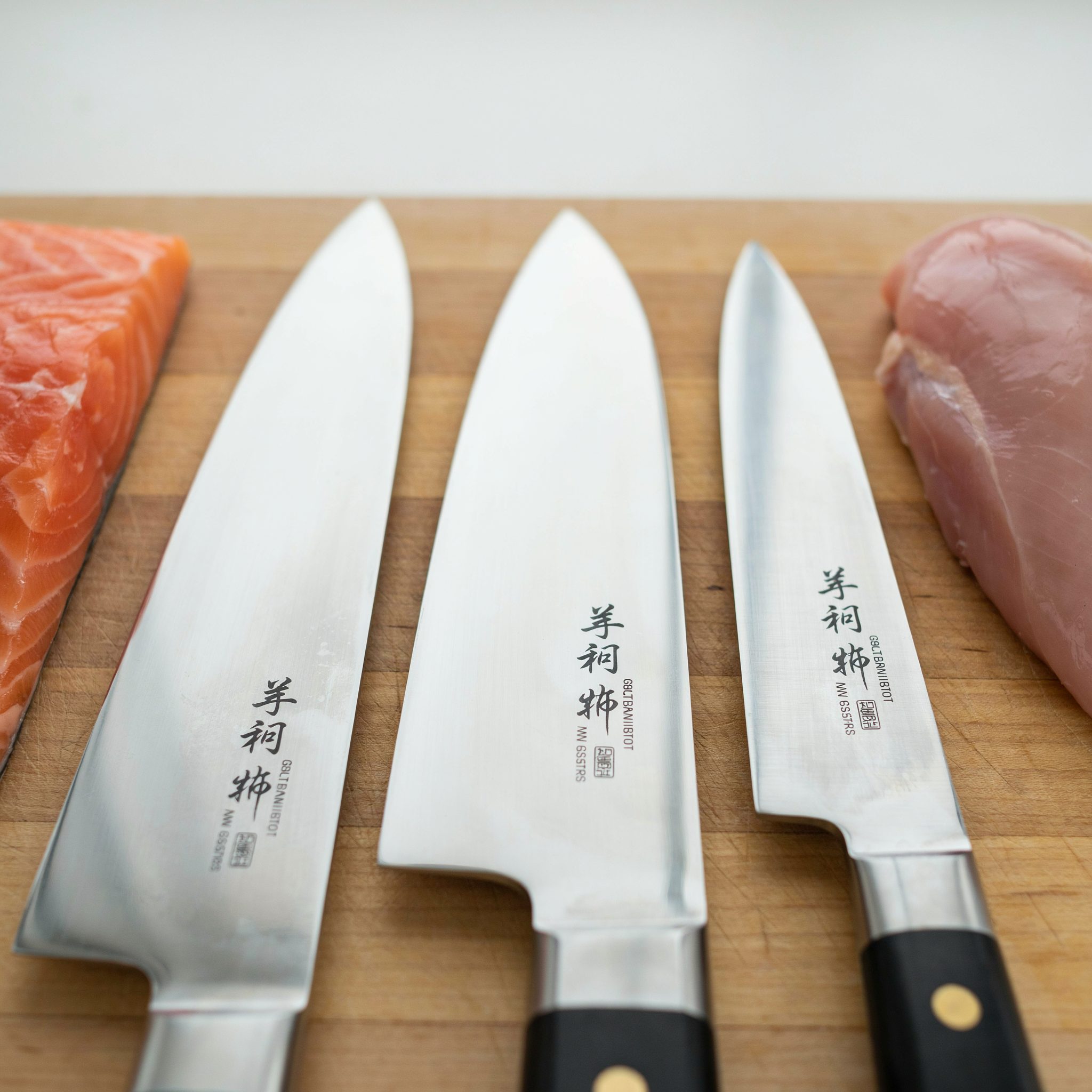
Gyutos get marketed as all-purpose knives, and mostly they are — but “handles meat and fish” covers a huge range of actual performance. A knife that glides through a whole fish fillet needs a different edge geometry than one that’s mainly optimized for chopping vegetables, even if both are technically called a gyuto.
In my experience, this is where a lot of buyers get caught out: they buy a generalist gyuto expecting protein-specialist performance, then wonder why fish fillets come out ragged or chicken breasts don’t slice as cleanly as expected.
Who this article is NOT for
- Cooks who rarely handle raw meat or fish at home. A vegetable-optimized santoku will serve you better — see our santoku for vegetables guide.
- Anyone doing serious butchery — breaking down whole animals, heavy bone work. That’s a honesuki or deba knife’s job, not a gyuto’s.
- Sushi-focused cooks needing a dedicated slicing knife. A yanagiba is the specialist tool for sashimi-grade slicing; a gyuto is a capable generalist but not a substitute.
Selection criteria (3 points)
1. Thin, precise edge geometry for clean fish cuts. Fish flesh is delicate; a thick or poorly ground edge tears rather than slices, especially through skin. Thinner grinds behind the edge matter more here than almost anywhere else.
2. Blade length for full-length draw cuts. A single, full-length draw stroke through a chicken breast or fish fillet gives a cleaner cut than multiple short strokes. A slightly longer gyuto (210mm+) has an advantage here over shorter blades.
3. Edge retention through fat and connective tissue. Cutting through fat and sinew dulls an edge faster than vegetables do. Harder steels with good edge retention (VG10 and above) hold up better across a full prep session.
Comparison table
| Knife | Length | Steel | Price | Best For |
|---|---|---|---|---|
| Yoshihiro VG10 46-Layer Hammered Damascus Gyuto | 210mm | VG10 core, Damascus cladding | $189.99 | Best all-round protein performance, genuine wa-handle craftsmanship |
| Misono UX10 Gyuto | 210–240mm | Swedish stainless | $200–360 | Cleanest possible fish cuts |
| MAC Professional Gyuto | 210mm | High-carbon stainless | $160–230 | Long prep sessions, sustained protein work |
Individual reviews
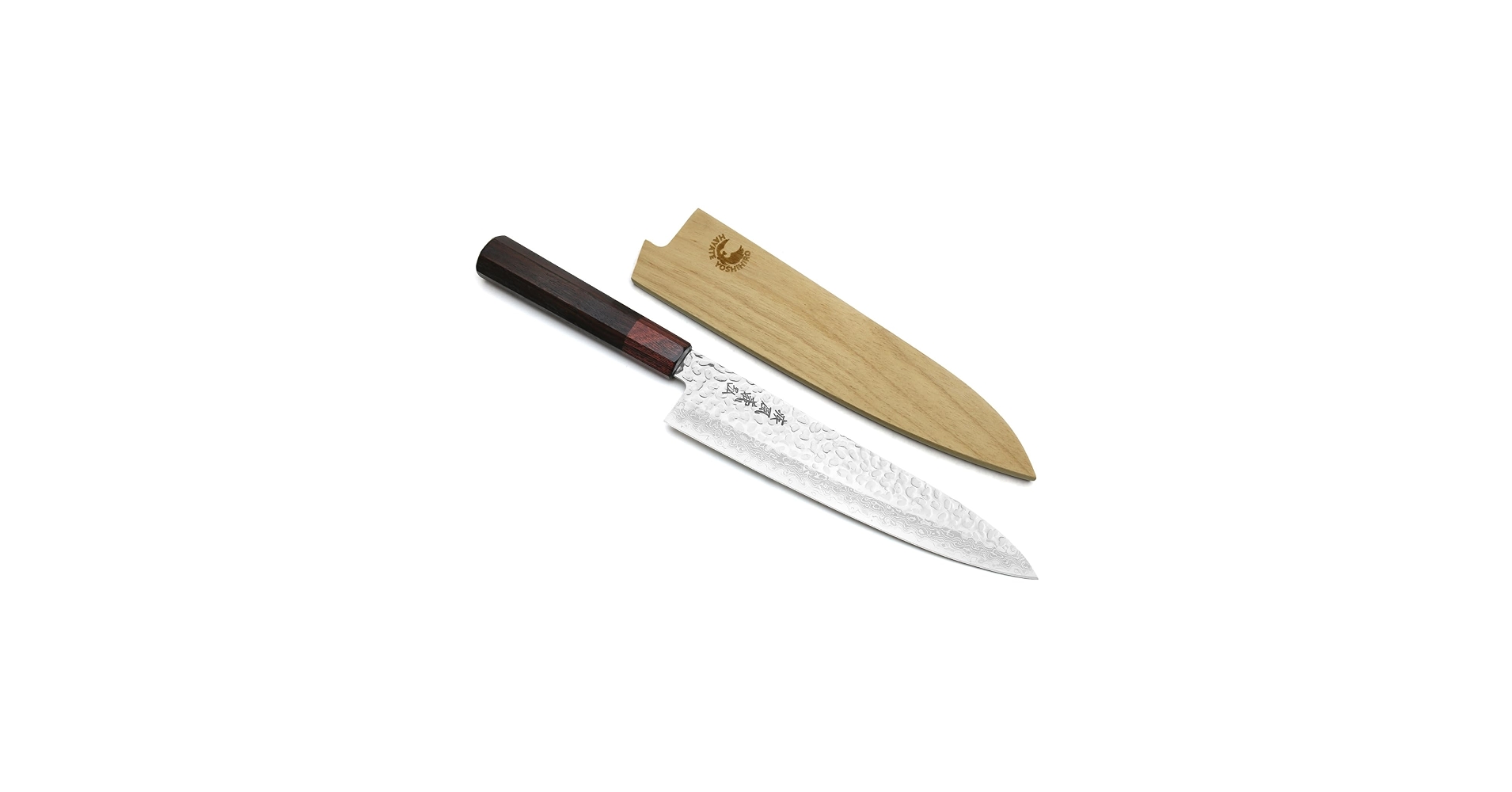
Yoshihiro VG10 46-Layer Hammered Damascus Gyuto
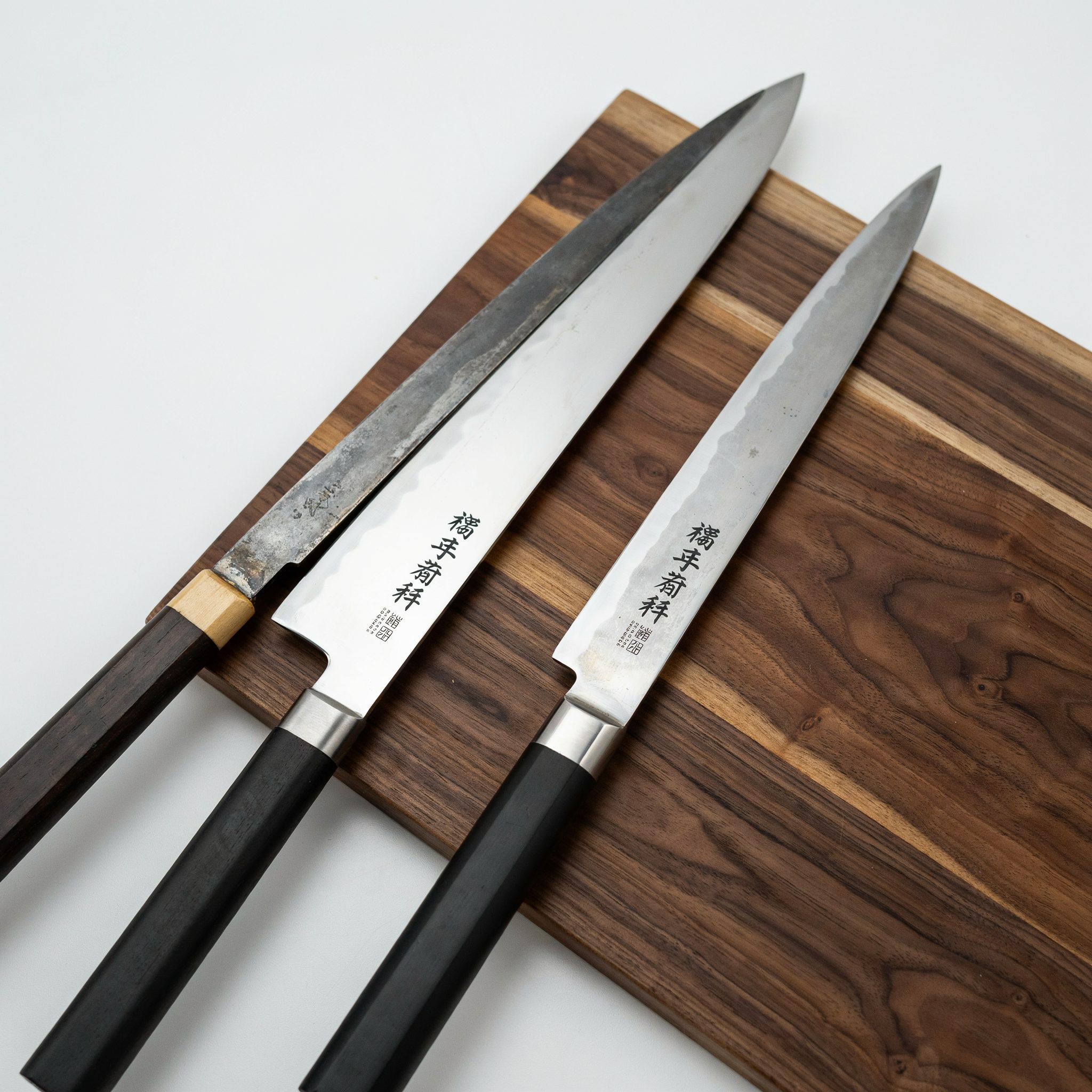
For home cooks who regularly handle both meat and fish, the Yoshihiro strikes a strong balance — sharp enough out of the box for clean fish cuts, and the VG10 core holds up well through the fat and connective tissue in poultry or red meat prep. It’s also genuinely hand-forged: 46 layers of Damascus steel around a VG10 core, finished with a traditional Octagonal Shitan rosewood wa-handle, made in Japan.
Pros:
- Sharp factory edge suits fish work immediately
- VG10 core handles fat and sinew without rapid dulling
- Genuine hand-forged Damascus construction and traditional wa-handle, still priced below the Misono
Cons:
- Not quite as refined a grind as the Misono for the most delicate fish work
- Traditional wa-handle needs an adjustment period if you’re used to Western-style handles
- Requires regular honing to maintain peak sharpness through heavy protein use

Misono UX10 Gyuto
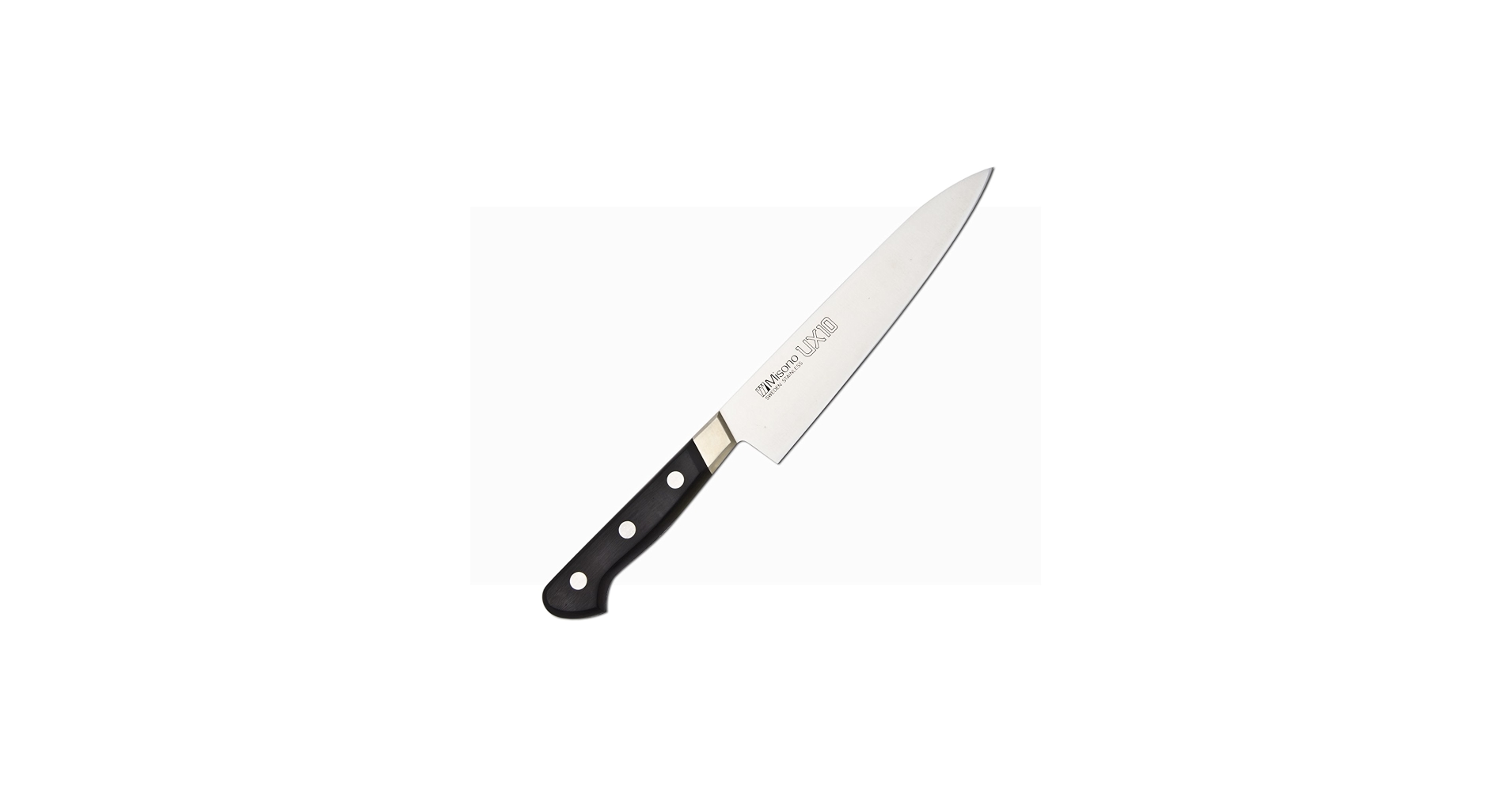
If fish work specifically is your priority, the UX10’s thin, precise grind is genuinely noticeable — it’s the closest a gyuto gets to yanagiba-level cleanliness on a fillet, while remaining versatile enough for meat too.
Pros:
- Exceptional grind quality for clean fish fillets
- Swedish stainless resists staining from acidic marinades or fish oils
- Versatile enough to also handle meat prep well
Cons:
- Premium price for a knife that’s arguably specialist-adjacent
- Plain aesthetic
- Stainless handle can feel slippery during wet fish prep

MAC Professional Gyuto
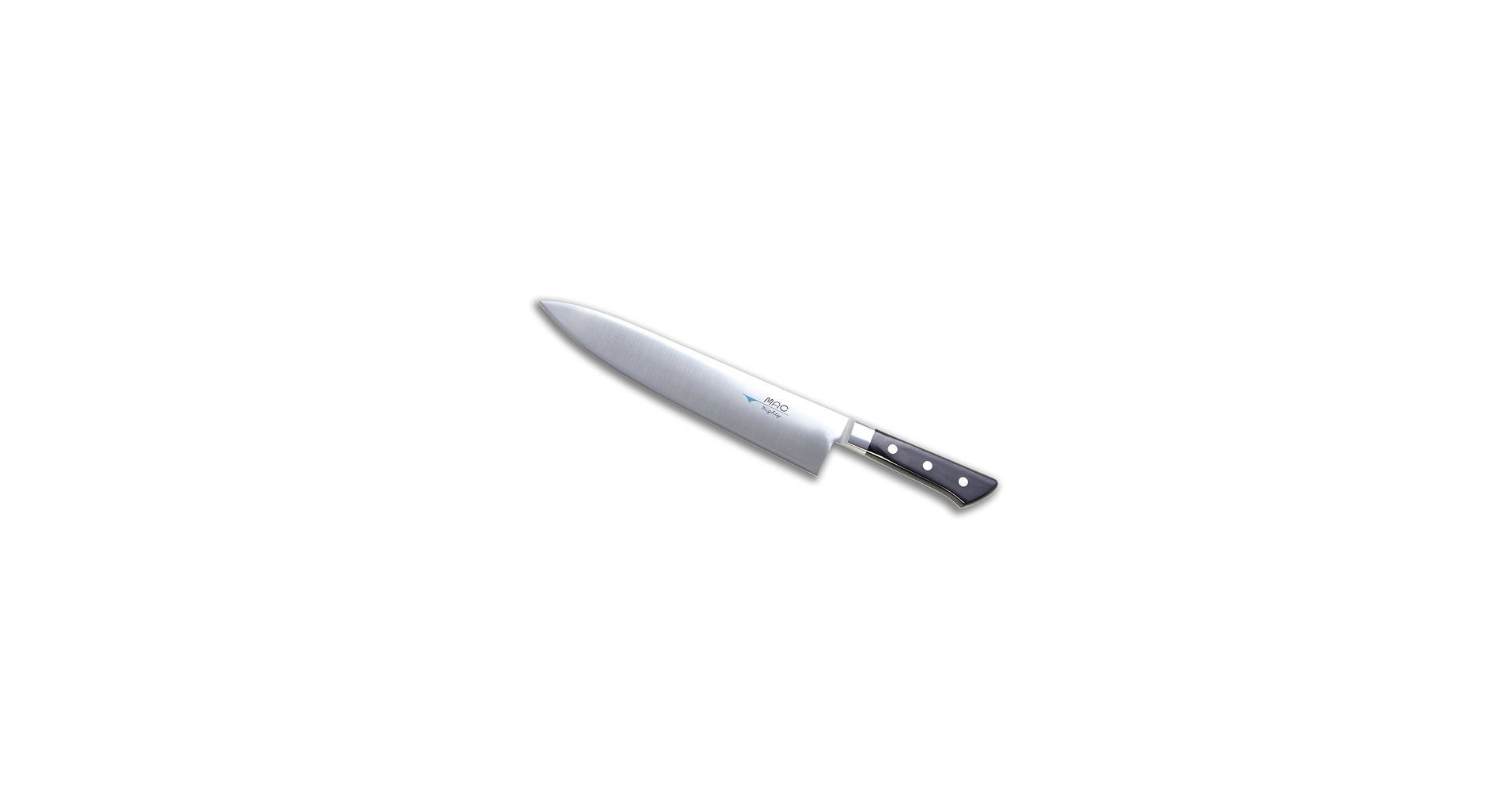
For anyone doing sustained protein prep — batch-portioning chicken breasts, working through multiple fish, extended sessions — the MAC’s handle-forward balance reduces the fatigue that builds up over a long prep session.
Pros:
- Balance reduces wrist fatigue during long protein-prep sessions
- Strong edge retention through fat and sinew
- More affordable than the Misono for comparable sustained performance
Cons:
- Thinner grind needs more care around bone contact
- Less prestige/name recognition than Misono in some circles
- Handle shape takes adjustment if used to a heavier blade

Recommendation by use case
- Regular mixed meat and fish prep, want genuine hand-forged craftsmanship: Yoshihiro VG10 46-Layer Hammered Damascus Gyuto.
- Fish prep is your priority, budget allows a premium knife: Misono UX10 Gyuto.
- Long prep sessions, batch protein work, fatigue is a concern: MAC Professional Gyuto.
- Occasional light protein prep, mostly vegetables otherwise: Consider a santoku instead — see our vegetables-focused guide.
Conclusion
Not every gyuto is optimized the same way, and if meat and fish are a regular, serious part of your cooking, it’s worth choosing specifically for that rather than defaulting to whichever gyuto tops a generic “best of” list. In my experience, the difference shows up most clearly on fish — a well-ground edge slices cleanly through delicate flesh, while a mediocre one tears and leaves a ragged cut regardless of how sharp it feels on a vegetable.
Ready to choose? Compare current pricing on the Yoshihiro VG10 46-Layer Hammered Damascus Gyuto, Misono UX10 Gyuto, and MAC Professional Gyuto using the links above. New to gyutos generally? Start with our santoku vs gyuto comparison.
コメント