Affiliate disclosure: This post contains affiliate links. If you buy through them, I earn a small commission at no extra cost to you. I only recommend knives I’d actually put in my own kitchen.
The problem: home-cook recommendations don’t hold up on the line
Most “best Japanese knife” content online is written for home cooks who chop a few times a week. That advice falls apart fast in a professional kitchen doing 100+ covers a night — edge retention, fatigue over an 8-hour shift, and how the knife handles being passed between prep and service all matter in ways a home-use review never tests.
In my experience talking to chefs who’ve actually made the switch, the knives that get recommended to beginners are perfectly good starter blades but get outpaced quickly once you’re doing volume work daily. This guide is for the working cook ready to invest in something that matches that pace.
Who this article is NOT for
- Home cooks buying their first Japanese knife. You want our beginner guide instead — these recommendations assume daily heavy use and existing sharpening skills.
- Anyone unwilling to hand-sharpen or maintain an edge regularly. Professional-grade knives in this range reward proper maintenance and punish neglect faster than budget blades.
- Buyers on a strict tight budget. Nothing here is under roughly $150; that’s the honest reality of professional-grade construction.
Selection criteria (3 points)
1. Edge retention under sustained, repetitive cutting. A home cook might notice dulling after weeks; a line cook will notice it within a single shift if the steel isn’t up to the job. Higher hardness steels (61+ HRC) with good grinding hold their edge significantly longer under volume.
2. Balance and fatigue over long sessions. A knife that feels fine for ten minutes of home prep can become genuinely tiring after two hours of continuous work. Weight distribution toward the handle, rather than a blade-heavy design, matters more than it seems on a showroom test.
3. Reliability of resharpening and durability of the edge geometry. Professional use means frequent honing and periodic full sharpening. Knives with consistent, well-executed edge geometry from the factory sharpen back to true more predictably than inconsistent budget grinds.
Comparison table
| Knife | Steel | Hardness | Price | Best For |
|---|---|---|---|---|
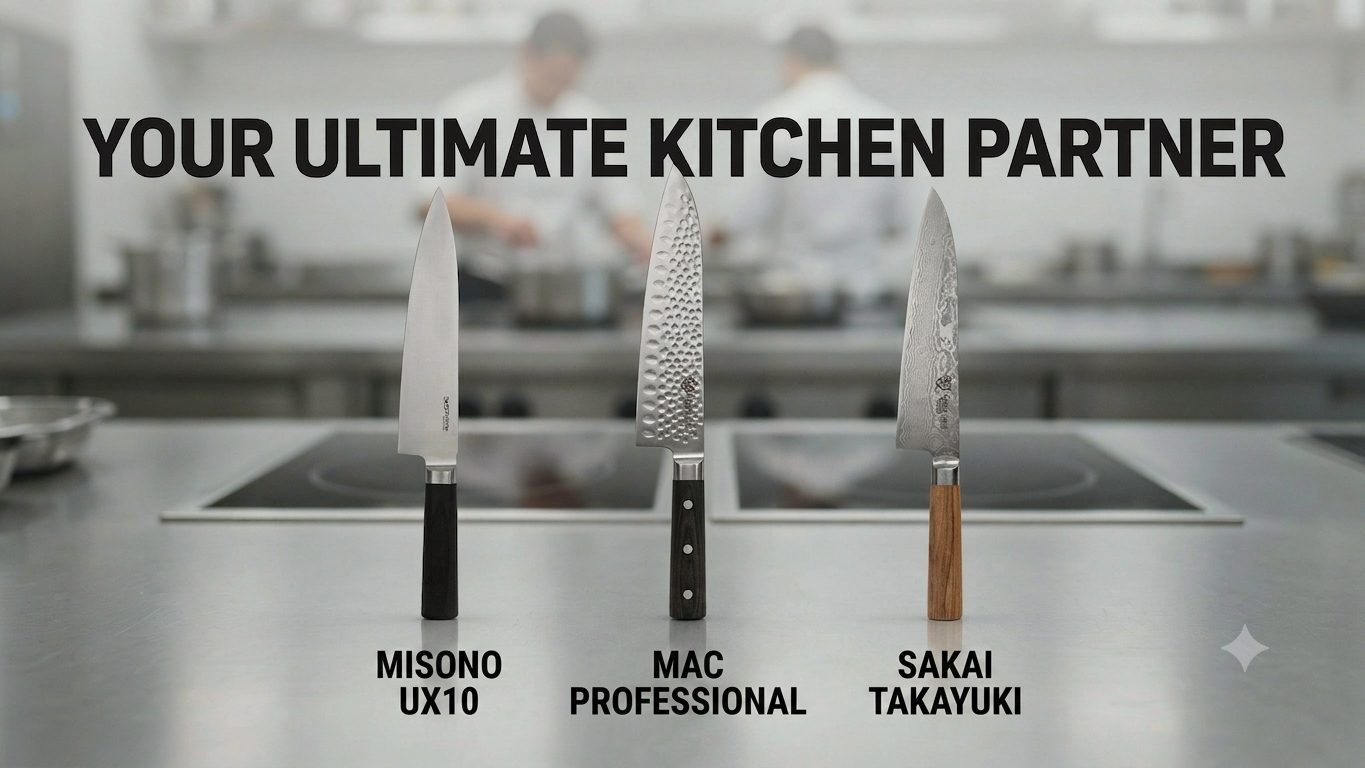
| Misono UX10 Gyuto | Swedish stainless | ~61 HRC | $225–350 | All-round professional standard |
| MAC Professional Gyuto | High-carbon stainless | ~59-60 HRC | $150–225 | Best balance for long shifts |
| Sakai Takayuki Gyuto | Forged, various cores | 60–63 HRC | $190–375 | Chefs wanting traditional Sakai forging |
Individual reviews
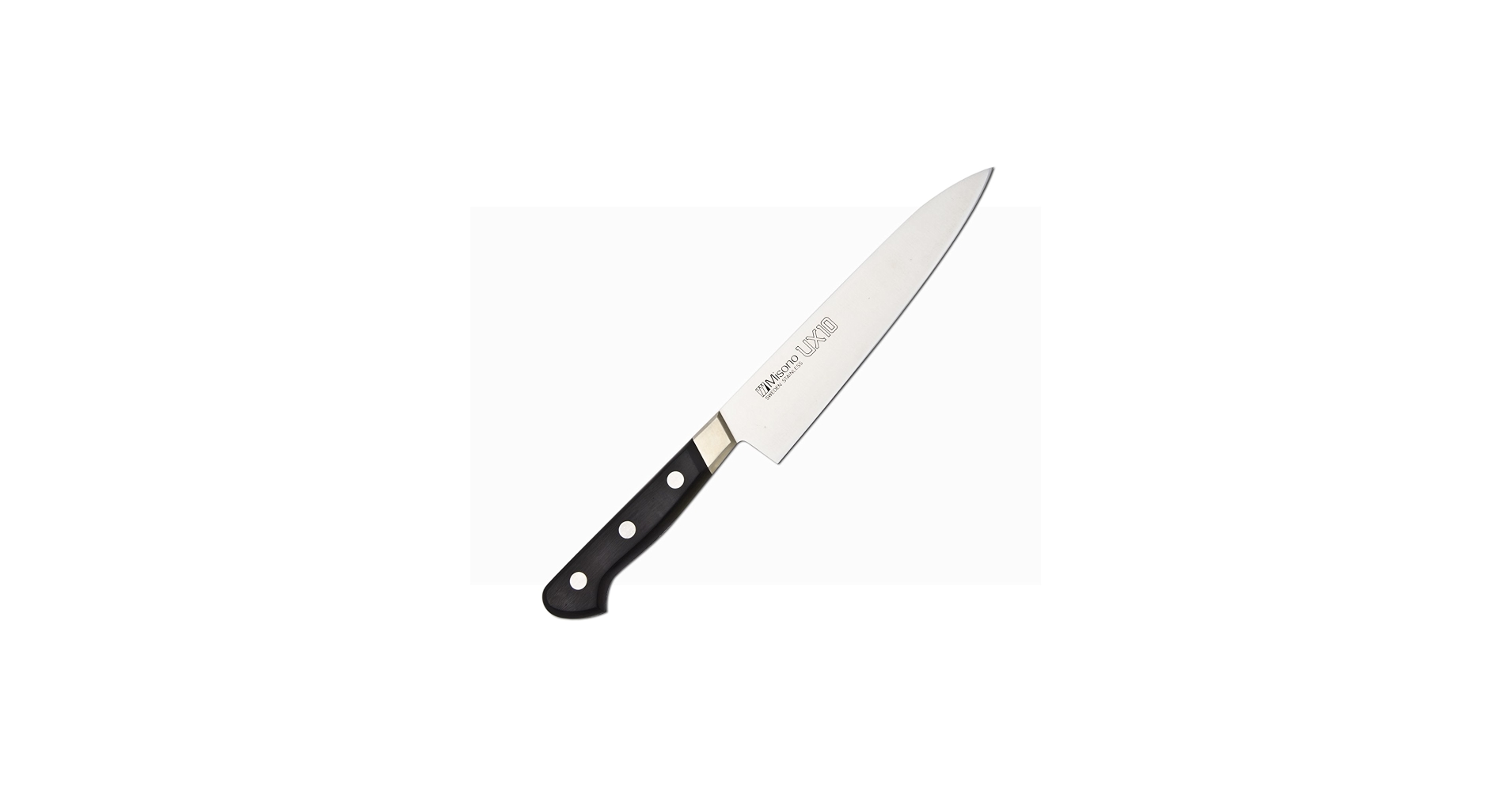
Misono UX10 Gyuto
The UX10 line has quietly become a default recommendation among chefs who’ve done their research, and it earns that reputation through blade geometry rather than branding. It’s ground thin behind the edge in a way that reduces resistance noticeably on high-volume vegetable and protein work.
Pros:
– Exceptional edge geometry, minimal resistance through dense ingredients
– Swedish stainless resists staining through long service
– Widely regarded as a “buy once” professional-tier knife
Cons:
– Among the pricier options in this comparison
– Plain aesthetic — no Damascus pattern
– Stainless handle can get slippery during a sweaty service

MAC Professional Gyuto
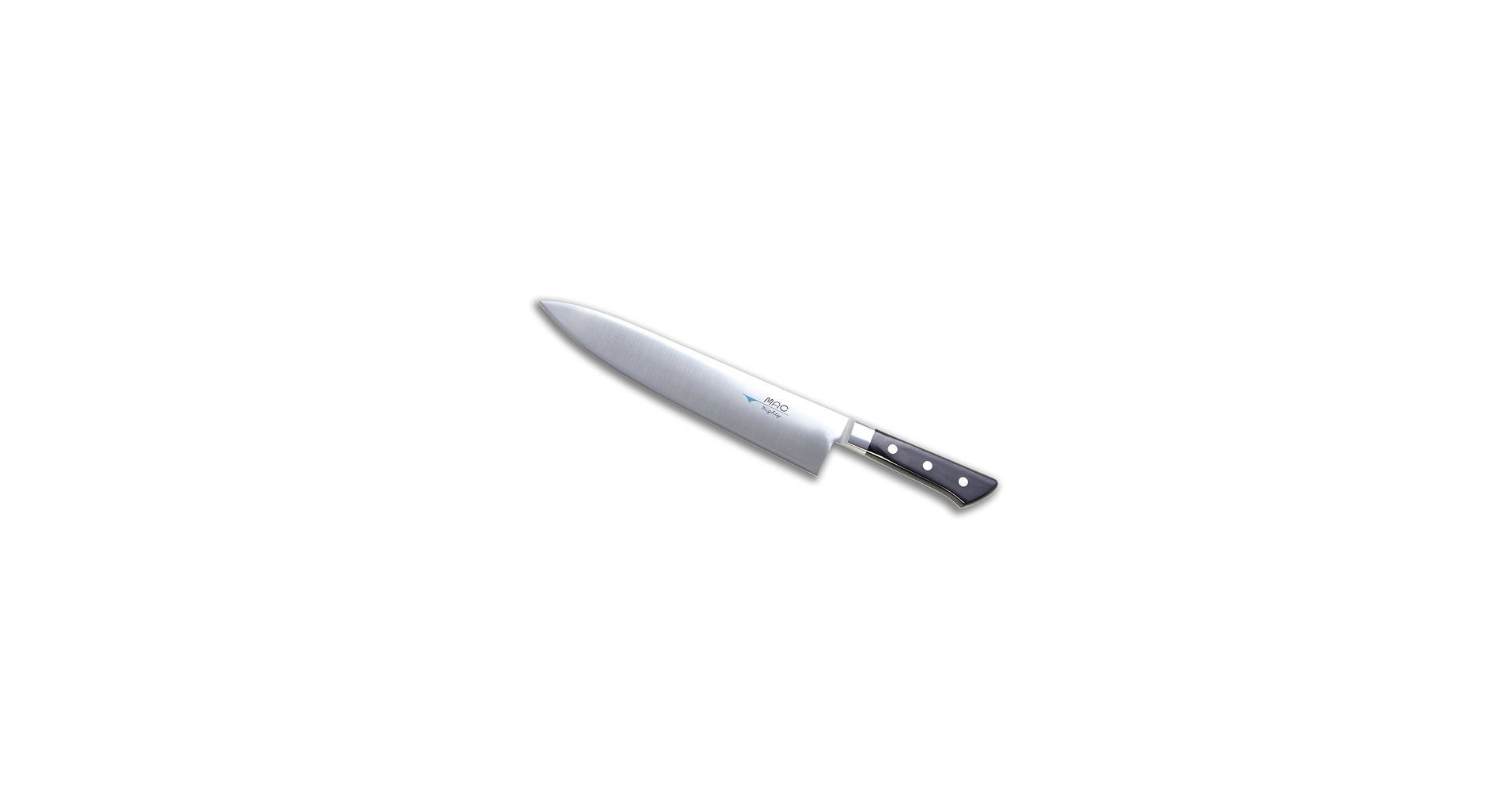
MAC knives are a fixture in professional kitchens for a reason that becomes obvious after a full shift: the balance point sits closer to the handle, which meaningfully reduces wrist fatigue during long prep sessions compared to blade-heavy alternatives.
Pros:
– Excellent balance reduces fatigue over long shifts
– Strong edge retention for the price point
– Slightly more affordable than the UX10 for comparable performance
Cons:
– Handle shape takes some adjustment if you’re used to a heavier blade
– Less prestige/name recognition than Misono in some circles
– Thinner grind means more care needed around bone or hard produce

Sakai Takayuki Gyuto
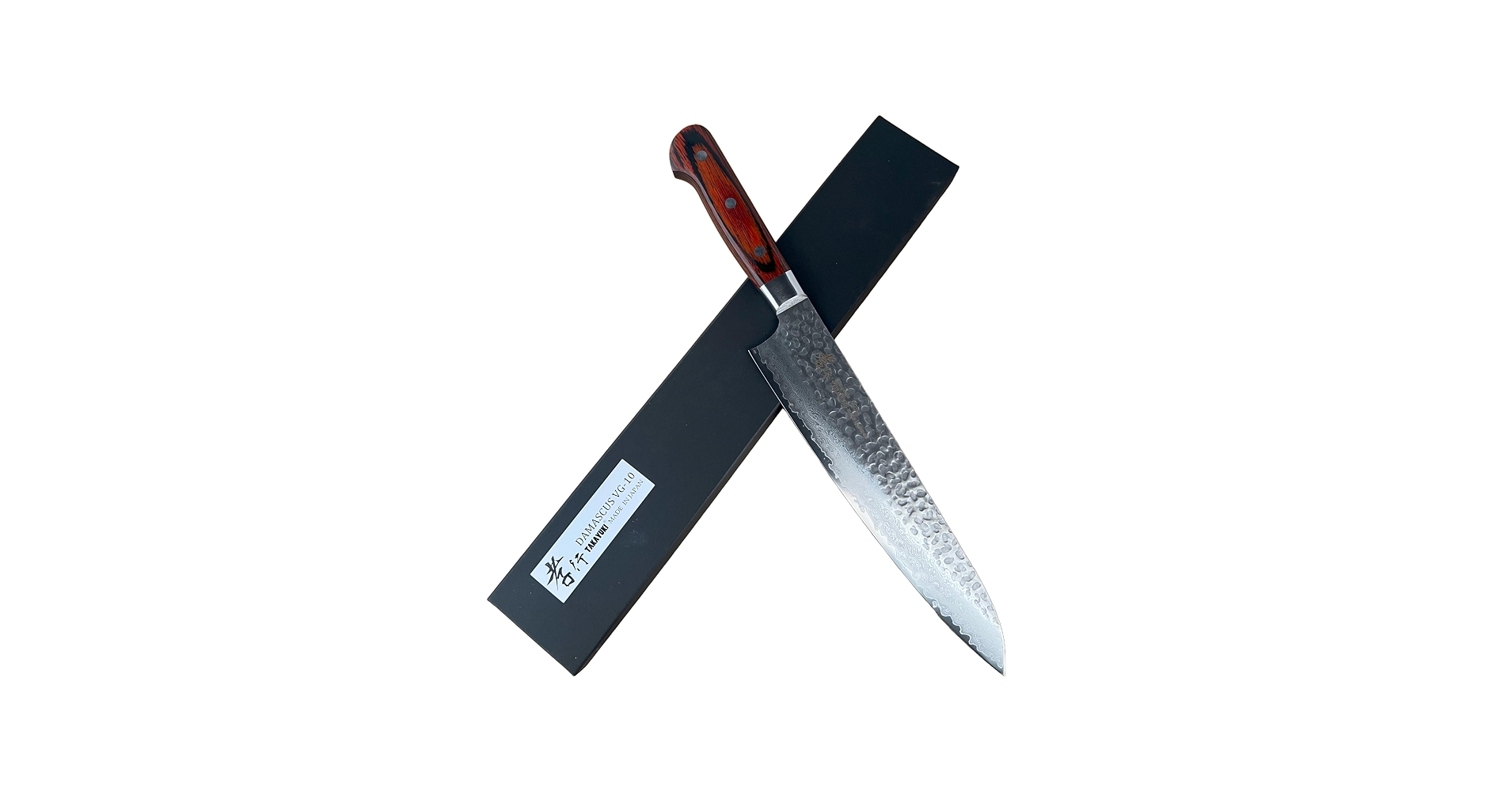
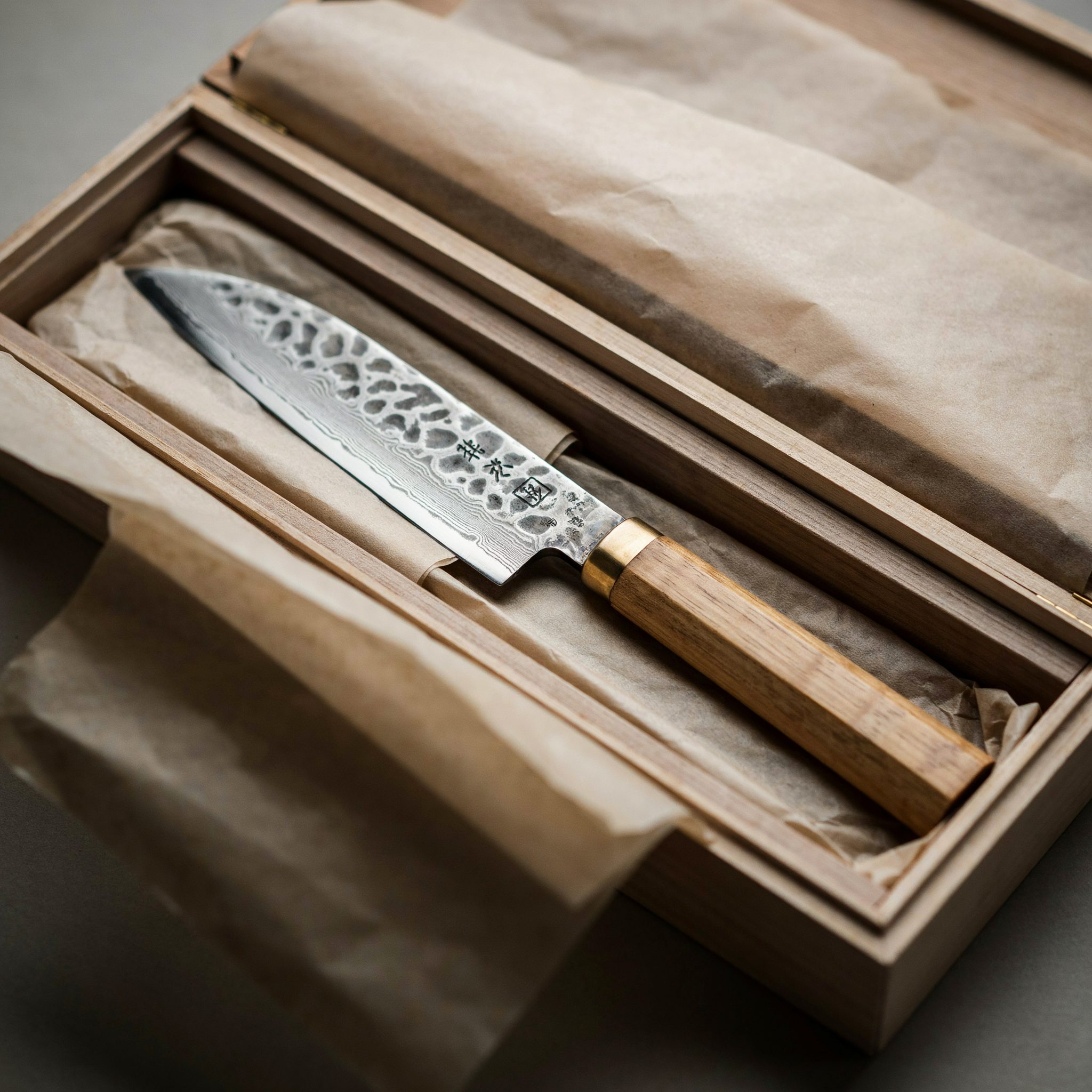
For chefs who want both performance and a connection to traditional Japanese forging methods, Sakai Takayuki knives — hand-forged in Sakai, the historic center of Japanese blacksmithing — offer genuinely excellent cutting performance alongside that provenance.
Pros:
– Traditional hand-forging from a centuries-old knife-making region
– Wide range of core steels available depending on desired hardness/edge retention balance
– Strong resale and reputation value among knife-literate chefs
Cons:
– Pricing and availability vary significantly by specific line and steel choice
– Some traditional-handle versions need more maintenance familiarity
– Less standardized than mass-produced professional lines like MAC

Recommendation by use case
- All-round line work, vegetables and protein mixed: Misono UX10 Gyuto.
- Long shifts where fatigue is the main concern: MAC Professional Gyuto.
- You value traditional forging heritage and want a knife with a story: Sakai Takayuki Gyuto.
- Butchery-heavy role with lots of bone contact: None of these — that’s a separate honesuki/deba conversation, not a gyuto’s job.
Conclusion
The jump from a home-use knife to a professional-grade one isn’t really about the price tag — it’s about matching the steel and geometry to sustained daily volume instead of occasional home prep. In my experience, chefs who make this switch too early (before they’ve developed consistent sharpening habits) end up disappointed, while those who wait until they’re maintaining a beginner knife well end up genuinely happy with the upgrade.
Ready to upgrade? Compare current pricing on the Misono UX10 Gyuto, MAC Professional Gyuto, and Sakai Takayuki Gyuto using the links above. If you’re not yet at the professional-use stage, start with our best Japanese chef knife for beginners guide instead.
コメント