Affiliate disclosure: This post contains affiliate links. If you buy through them, I earn a small commission at no extra cost to you. I only recommend knives I’d actually put in my own kitchen.
The problem: brand names alone don’t tell you what you’re getting
Tojiro, Yoshihiro, Misono, Shun, Miyabi, Sakai Takayuki — search “Japanese chef knife brands” and you’ll find all of them lumped into one undifferentiated list, as though they’re interchangeable. They’re not. Each has a genuinely different philosophy, price positioning, and target buyer, and picking based on name recognition alone often leads to either overspending or ending up with a knife that doesn’t suit your actual use case.
In my experience researching and using knives from several of these brands, the differences are less about “which is best” and more about which philosophy matches how you cook and what you value — heritage, value-for-money, technical performance, or aesthetics.
Who this article is NOT for
- Buyers who’ve already narrowed down to a specific knife. If you know you want a Tojiro DP Gyuto, our beginner or budget guides will serve you better than a brand-level overview.
- Collectors seeking rare or custom smiths. This covers widely available, Amazon-accessible brands, not boutique custom forges.
- Anyone wanting a single “winner.” This is a positioning guide, not a ranking — the “best” brand depends entirely on your priorities.
Selection criteria (3 points)
1. Price-to-performance positioning. Where does the brand sit — entry-level value, mid-range refinement, or premium/prestige? This determines who each brand actually serves well.
2. Manufacturing philosophy: mass-produced consistency vs. traditional craftsmanship. Some brands (Tojiro, Shun) use modern manufacturing for consistent quality at scale. Others (Sakai Takayuki) lean on traditional hand-forging methods, trading some consistency for heritage and character.
3. Steel and construction approach. Brands differ meaningfully in their default steel choices (VG10 vs. Swedish stainless vs. proprietary blends) and construction (mono-steel vs. clad/Damascus), which affects both performance and maintenance needs.
Handle style also affects how a knife feels in hand. Most knives in this comparison are available with either a Wa handle (traditional Japanese, lightweight, round or octagonal) or a Yo handle (Western-style, with a bolster, closer to what German knife users are used to). Neither is objectively better — it’s a matter of grip preference and what you’re used to.
Comparison table
| Brand | Positioning | Steel Approach | Price Range | Best For |
|---|---|---|---|---|
| Tojiro | Entry-level value | VG10, 3-layer clad | $139.00 | First-time buyers |
| Yoshihiro | Value to mid-range | VG10 | $189.99 | Buyers wanting a step up from entry |
| Misono | Mid-to-premium, performance-focused | Swedish stainless | $200–360 | Serious home cooks and professionals |
| Shun | Mid-to-premium, design-focused | VG-MAX Damascus | $170–280 | Buyers who want performance and looks |
| Miyabi | Premium, prestige | Various proprietary (e.g., MC63/MCD) | $260–450 | Special-occasion or gift buyers |
| Sakai Takayuki | Traditional craftsmanship | Varies by line | $200–400+ | Culturally-minded buyers, heritage seekers |
Individual reviews
Tojiro
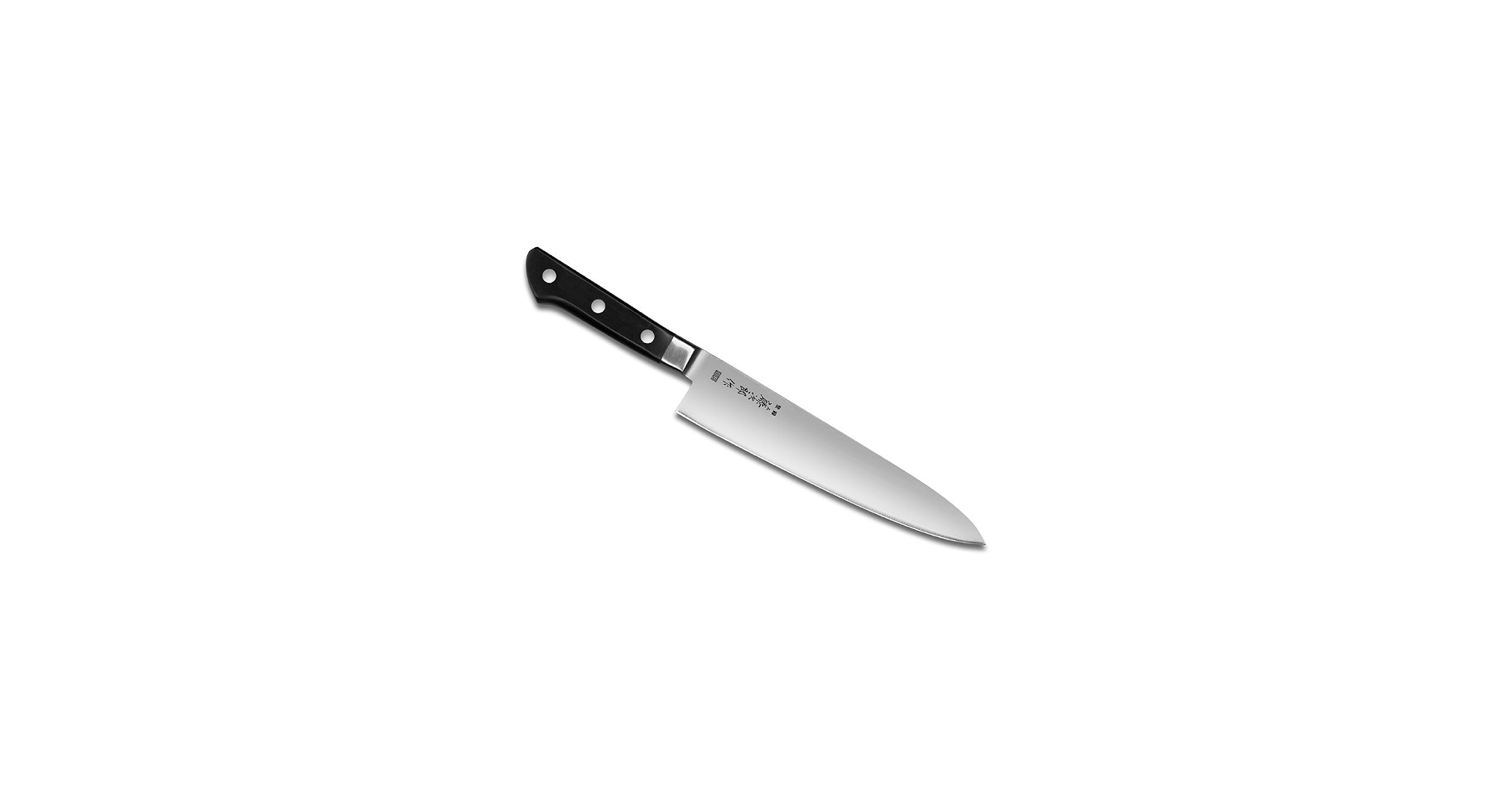
Tojiro built its reputation on making genuinely good VG10-core knives accessible at a price most Western knife brands can’t match. It’s not trying to be prestigious — it’s trying to get a real Japanese knife into as many kitchens as possible, and largely succeeds.
Pros:
- Best value-for-steel-quality ratio in this comparison
- Wide availability and consistent quality control
- Excellent entry point for first-time buyers
Cons:
- Plain, purely functional aesthetics
- Not aimed at buyers wanting prestige or visual flourish
- Handle materials are basic compared to premium brands

Yoshihiro
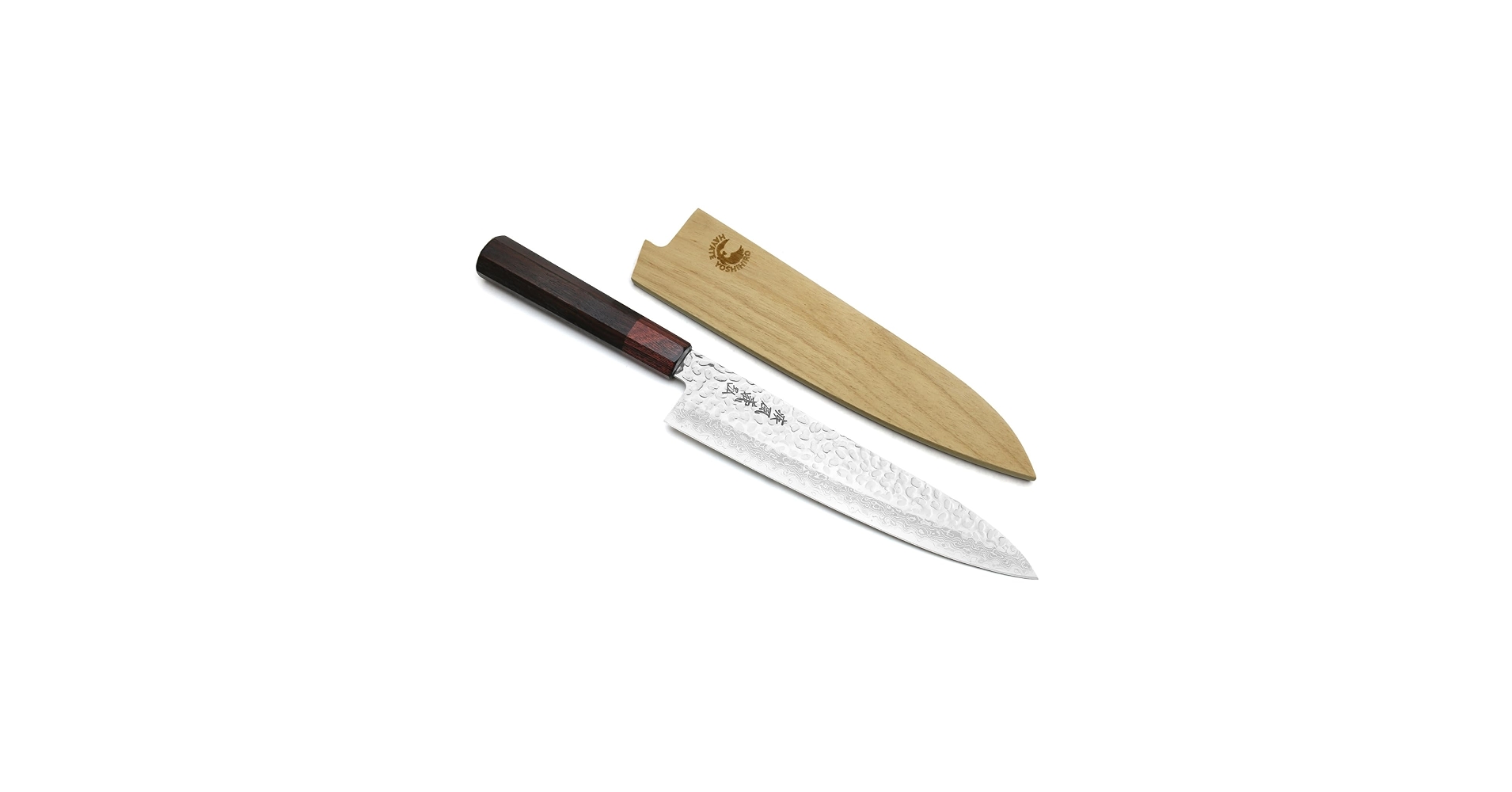
Yoshihiro sits just above Tojiro in refinement — sharper factory edges, slightly better fit and finish — while still remaining accessible. It’s the natural “next step” brand for someone who’s outgrown entry-level.
Pros:
- Noticeably sharper out-of-box edges than true entry brands
- Good balance of price and quality
- Solid mid-range reputation among home cooks
Cons:
- Some batch-to-batch inconsistency in handle finishing
- Not as refined as premium brands like Misono
- Limited aesthetic distinction

Misono
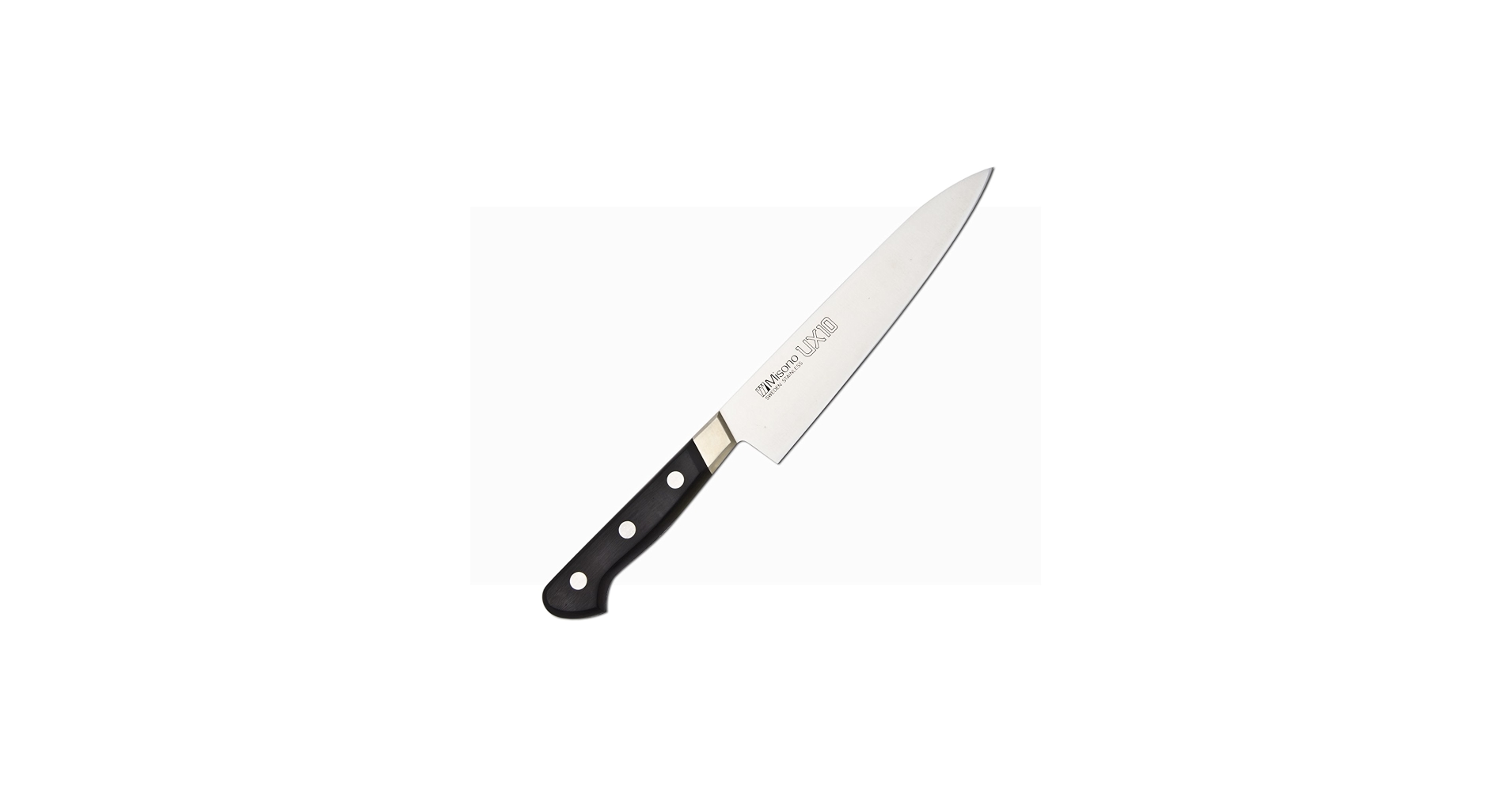
Misono is the brand serious cooks graduate to once they understand what blade geometry actually does for cutting performance. It doesn’t chase visual flair — its reputation rests entirely on how the knives cut.
Pros:
- Exceptional blade geometry, favored by professionals
- Swedish stainless offers excellent corrosion resistance
- Long-term “buy once” reputation
Cons:
- Premium pricing throughout the range
- Plain aesthetics, no Damascus patterns
- Less brand recognition among casual buyers compared to Shun or Miyabi

Shun
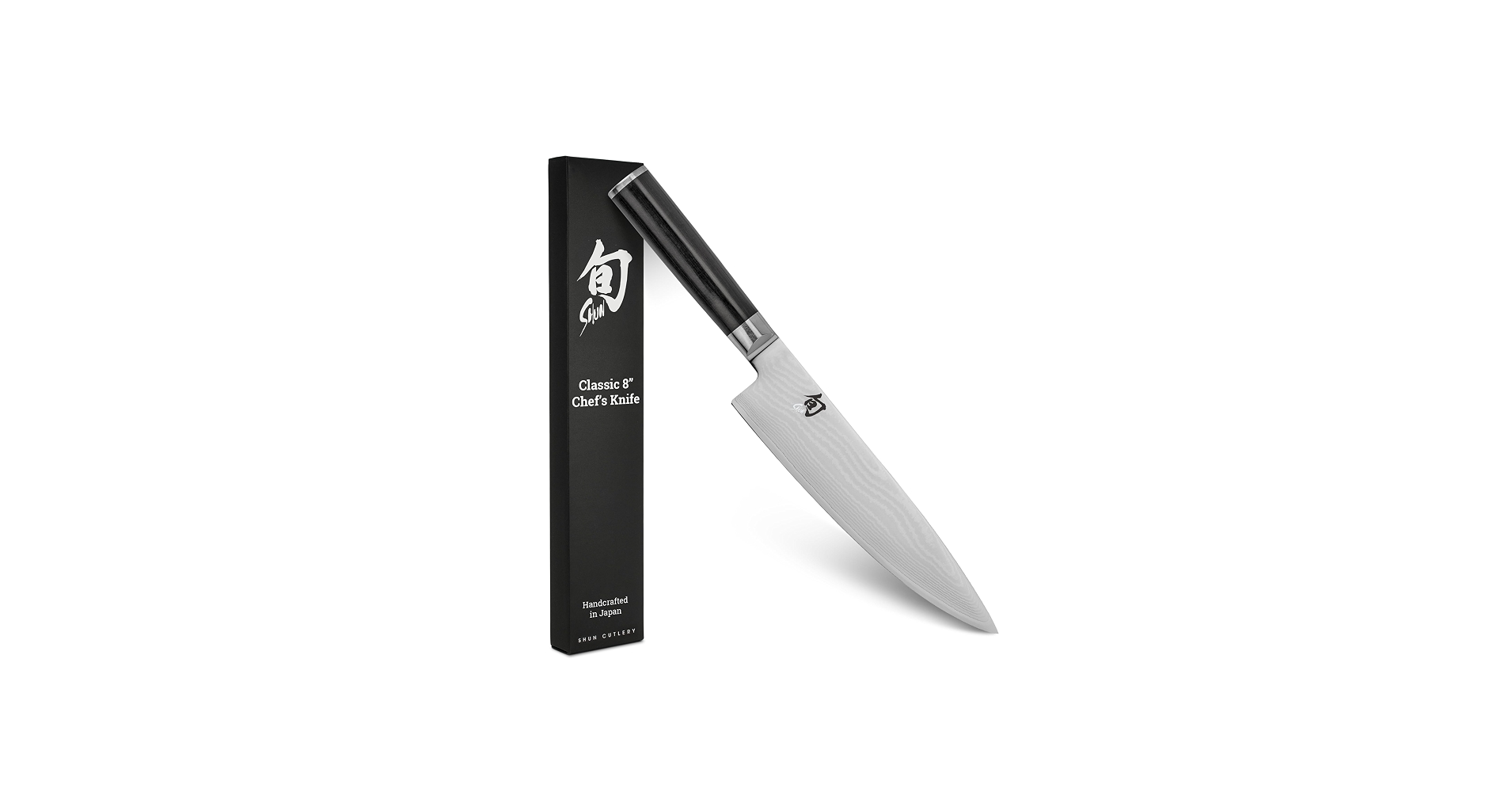
Shun built a reputation for combining genuine performance with striking visual design — its Damascus-clad blades are instantly recognizable and consistently well-reviewed for both looks and cutting ability.
Pros:
- Strong balance of aesthetics and real performance
- Comfortable, ergonomic handles suited to Western grip habits
- Well-regarded, widely available, easy to buy with confidence
Cons:
- Pricing reflects the design investment, not just the steel
- Bulkier bolster than some minimalist alternatives
- Damascus finish needs prompt drying to avoid watermarking

Miyabi
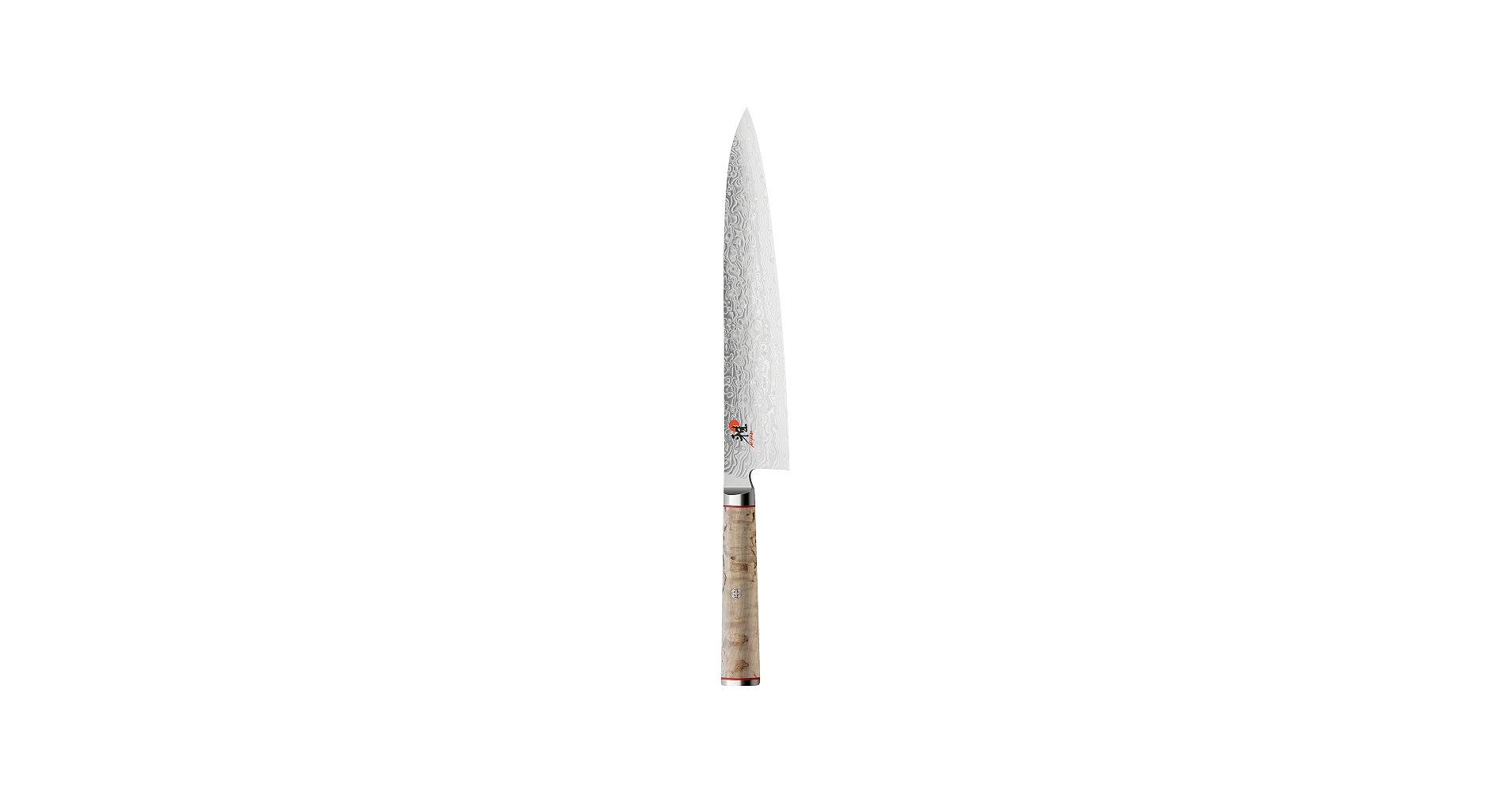
Miyabi sits at the premium end, aimed at buyers who want a knife that’s as much a statement piece as a tool — hammered Damascus finishes, distinctive handles, and proprietary steel blends.
Pros:
- Among the most visually distinctive brands available
- High-performance proprietary steel options
- Strong gifting and special-occasion appeal
Cons:
- Significant price premium
- Some materials (like birchwood handles) need extra care
- Overkill for buyers purely focused on daily practical use

Sakai Takayuki
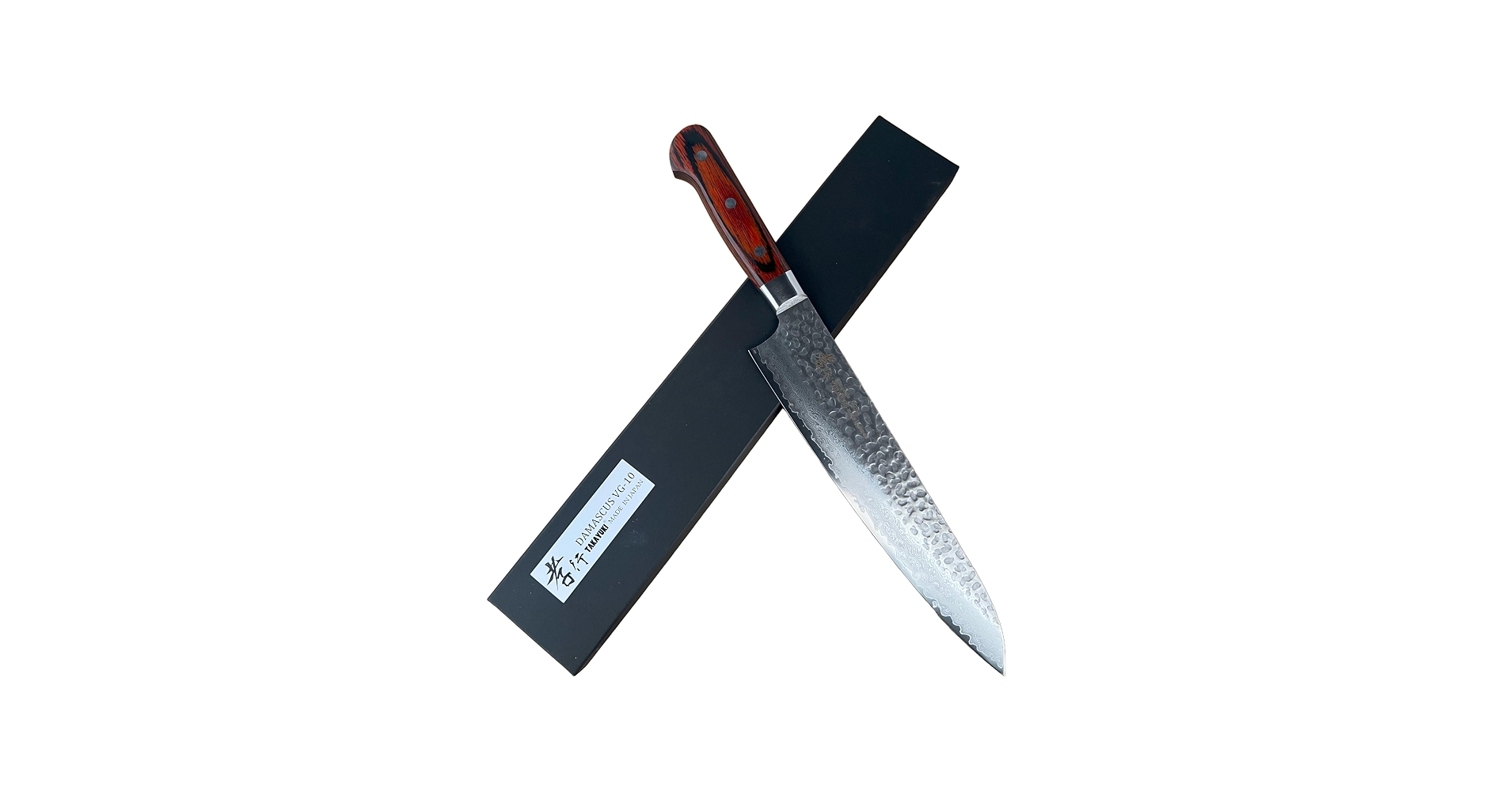
Representing the traditional side of this comparison, Sakai Takayuki knives are hand-forged in Sakai, Japan’s historic blacksmithing center, offering a genuine connection to centuries-old craft alongside strong cutting performance.
Pros:
- Real historical and cultural provenance
- Wide range of steel options depending on the specific line
- Strong reputation among knife-literate buyers
Cons:
- Less standardized than mass-produced brands — research needed to pick the right line
- Pricing varies significantly across the range
- Traditional handle options need more maintenance familiarity

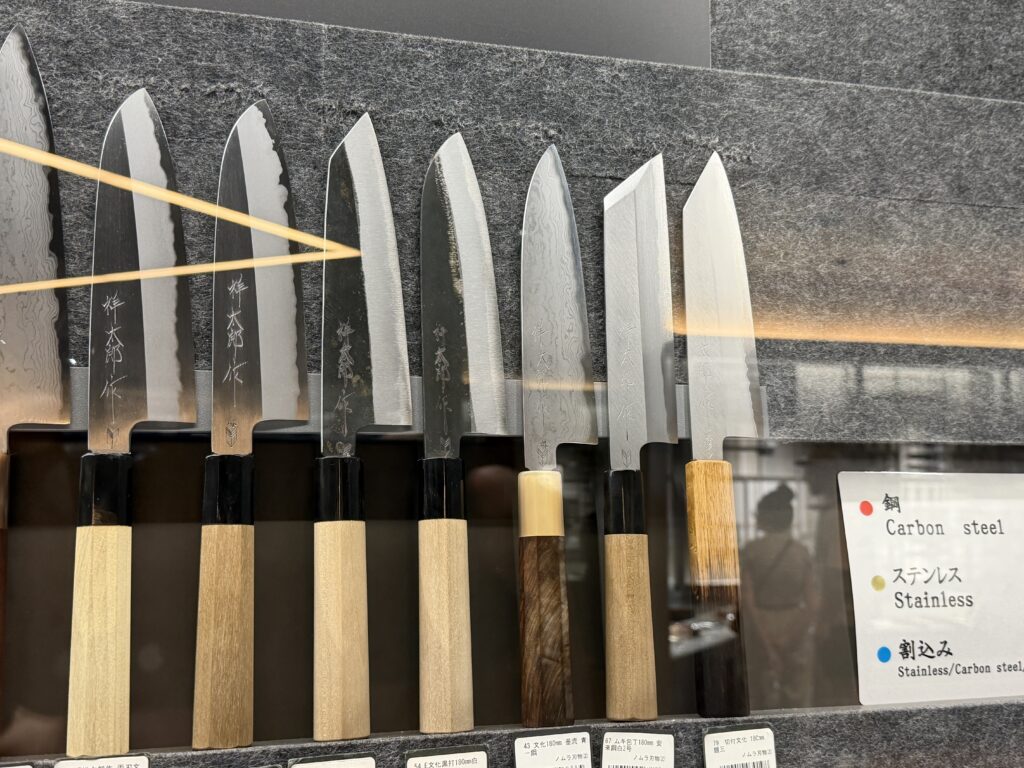
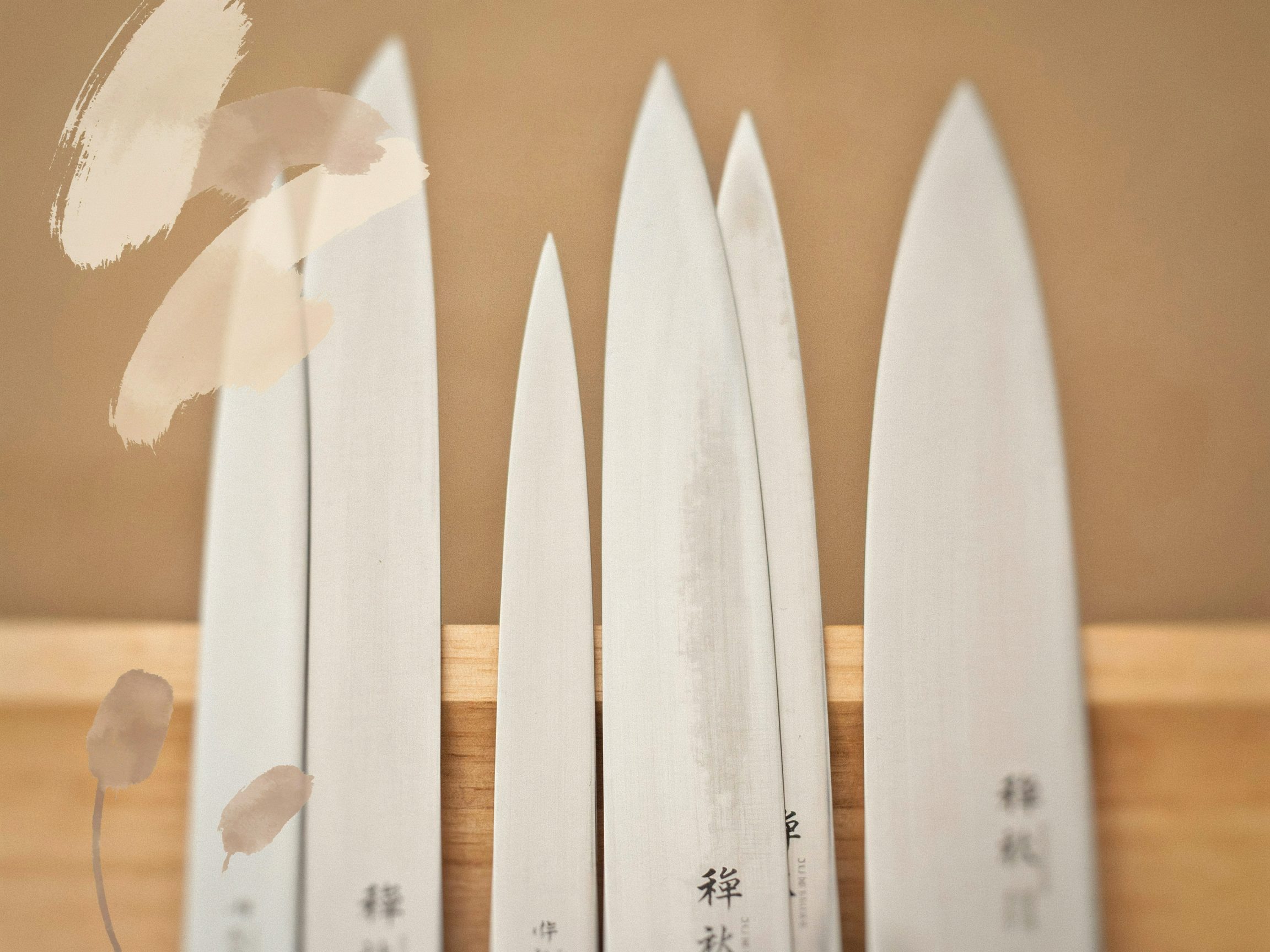
A steel-type explainer display (carbon steel, stainless, and san-mai/warikomi construction) photographed at a knife shop in Sakai, Japan.
Recommendation by use case
- First knife, best value: Tojiro.
- Want a step up without going premium: Yoshihiro.
- Performance is everything, aesthetics don’t matter: Misono.
- Want performance and a striking look: Shun.
- Special occasion, prestige gift: Miyabi.
- Value heritage and traditional craftsmanship: Sakai Takayuki.
FAQ
What makes Japanese chef knives different from German or Western knives?
Japanese knives are typically thinner, harder, and ground to a more acute edge angle, which gives them exceptional sharpness and precision but makes them more brittle than the softer, more flexible steel used in most German knives. They’re built for precise, controlled cuts rather than heavy chopping or bone work.
What is the best Japanese knife brand for beginners?
Tojiro is the most common recommendation for first-time buyers — it uses genuine VG10 steel at a price point well below most competitors, without requiring the extra care that premium carbon-steel knives demand.
Are more expensive Japanese knife brands actually better?
Not necessarily “better” in an absolute sense — price mostly reflects steel type, hand-finishing, and brand prestige. A $220 Shun and a $350 Miyabi will both outperform a $50 supermarket knife, but the gap between them is more about aesthetics, edge retention, and craftsmanship than raw cutting performance for a home cook.
What’s the difference between a Wa handle and a Yo handle?
A Wa handle is the traditional Japanese style — lightweight, round or octagonal, and usually unriveted — while a Yo handle is shaped like a Western chef knife handle, with a bolster and riveted construction. Wa handles are lighter and more traditional; Yo handles feel more familiar to cooks used to German-style knives. Several brands in this comparison (including Tojiro and Shun) offer Yo-handle versions by default.
Conclusion
There’s no single best Japanese knife brand — there’s a best brand for your specific priorities, whether that’s value, raw performance, looks, or heritage. In my experience, buyers who choose based on genuine self-honesty about what they value (rather than chasing whichever brand shows up most in “best of” lists) end up far happier with their purchase.
Ready to compare specific knives? See our individual guides for beginners, our best Japanese chef knife under $200 guide, and professional-grade options, or compare current pricing across all six brands using the links above.
コメント