Affiliate disclosure: This post contains affiliate links. If you buy through them, I earn a small commission at no extra cost to you. I only recommend knives I’d actually put in my own kitchen.
The problem: “wabocho” gets thrown around without explanation
You’ve seen the term wabocho (和包丁) attached to product listings and articles, usually without a clear definition. Is it a specific knife shape? A category? Just a Japanese word for “knife”? The ambiguity makes it hard to know what you’re actually shopping for when the term comes up.
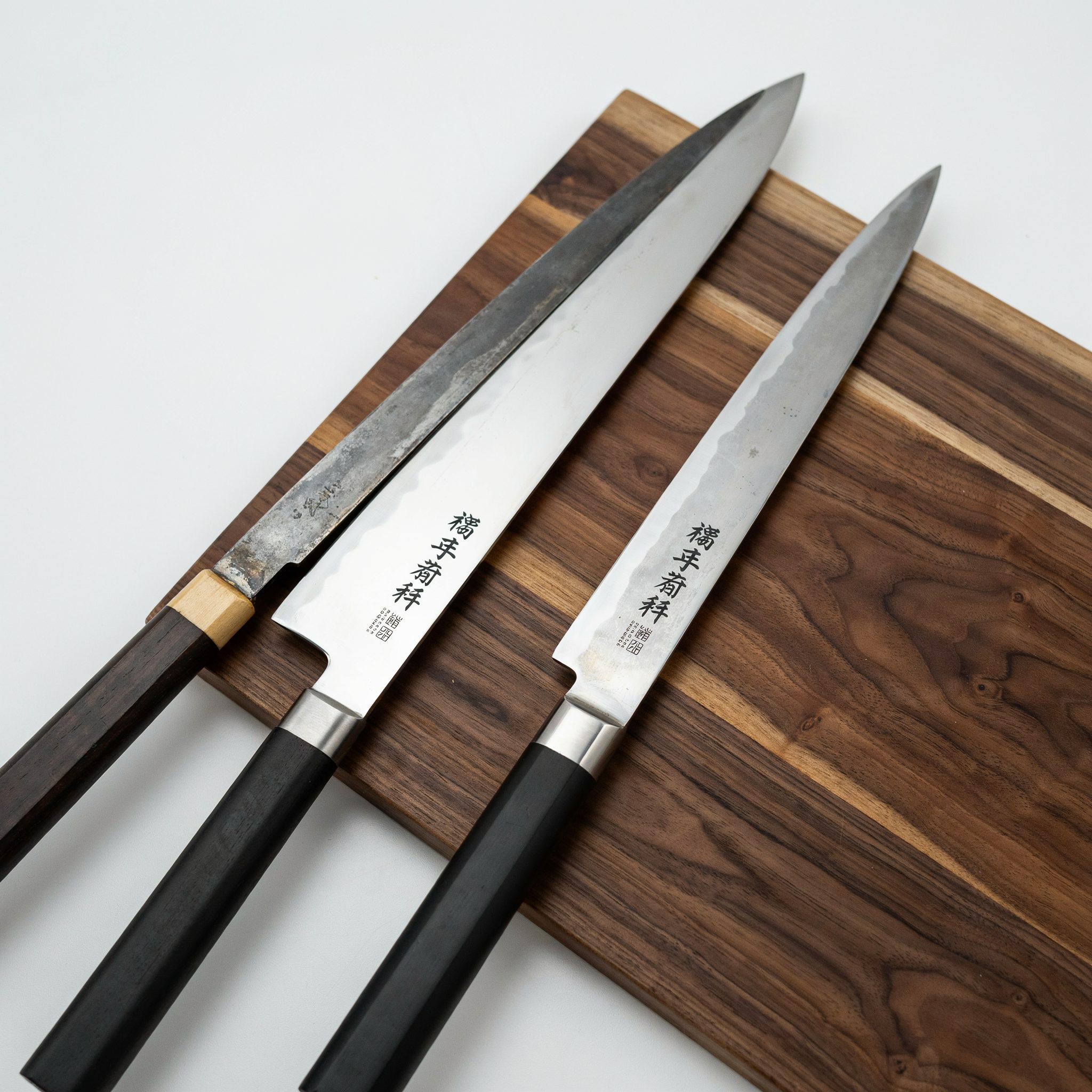
In my experience, this confusion is common because wabocho genuinely covers a broad category — traditional Japanese knives, generally single-beveled and often more specialized than the Western-style “yo-bocho” (洋包丁) hybrids like gyutos that dominate most beginner recommendations.
Who this article is NOT for
- Buyers who’ve already decided on a gyuto or santoku. Those are technically yo-bocho (Western-influenced hybrids), not traditional wabocho — our beginner guide covers those directly.
- Readers wanting a purely academic definition with no product guidance. This is framed around what the distinction means for your actual purchase decision.
- Professional sushi chefs already fluent in traditional Japanese knife categories. You know this material already.
Selection criteria: understanding wabocho vs. yo-bocho (3 points)
1. Bevel structure — single vs. double. True wabocho are traditionally single-beveled (sharpened on one side only), producing an extremely fine edge suited to precise, clean cuts — think yanagiba for sashimi or usuba for vegetables. Gyutos and santokus, by contrast, are double-beveled, a design influenced by Western knives, making them easier to use for most home cooks without specialized technique.
2. Specialization versus versatility. Traditional wabocho knives tend to be highly specialized — a deba for breaking down fish, a nakiri purely for vegetables, a yanagiba purely for slicing raw fish. This specialization delivers excellent results for that specific task but limits versatility, which is why most home cooks in the West gravitate toward the more all-purpose gyuto instead.
3. Skill and technique requirements. Single-beveled wabocho generally require more specific technique to use well — a double-beveled knife is more forgiving of imperfect cutting angle, which matters enormously for someone still building knife skills.
Comparison table
| Traditional Wabocho (e.g., Nakiri, Yanagiba) | Yo-bocho hybrids (e.g., Gyuto, Santoku) | |
|---|---|---|
| Bevel | Single-beveled | Double-beveled |
| Specialization | Highly specialized by task | General-purpose |
| Skill required | Higher, more technique-dependent | More forgiving for beginners |
| Best for | Specific tasks (fish slicing, vegetable prep) | Everyday, varied home cooking |
Individual reviews
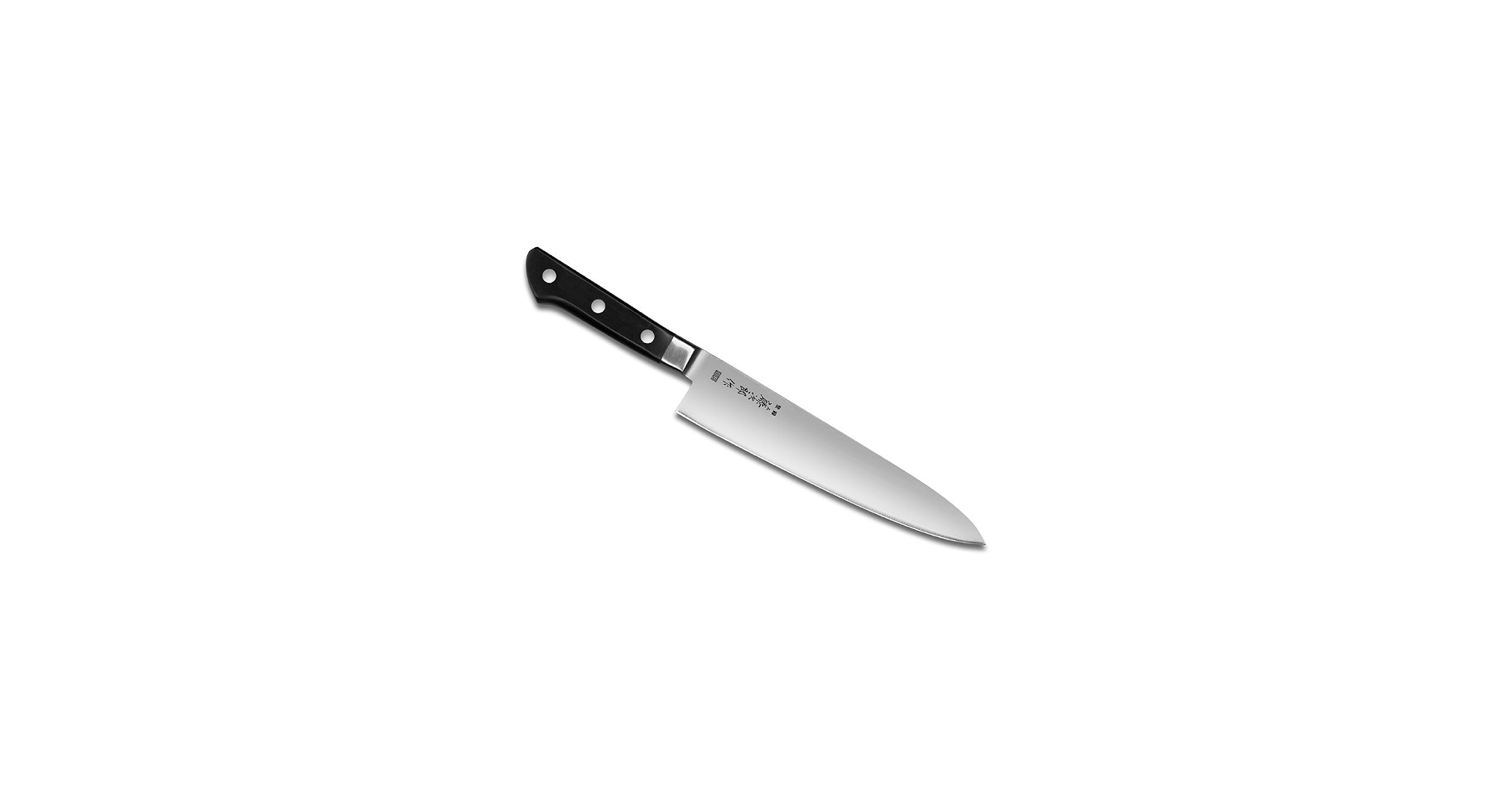
Tojiro DP Gyuto (representing yo-bocho, for context)
As a reference point, the Tojiro DP Gyuto represents the accessible, double-beveled hybrid approach that most beginners should actually start with — versatile, forgiving, and a gentler entry into Japanese knife quality without requiring wabocho-specific technique.
Pros:
- Forgiving double bevel suits developing cutting technique
- Versatile across a wide range of everyday tasks
- Excellent entry point before considering specialized wabocho
Cons:
- Not a “true” traditional wabocho by strict definition
- Won’t match a dedicated single-bevel knife’s performance on its specific specialty task
- Less culturally traditional than a genuine wabocho piece

Sakai Takayuki Santoku (bridging the two categories)
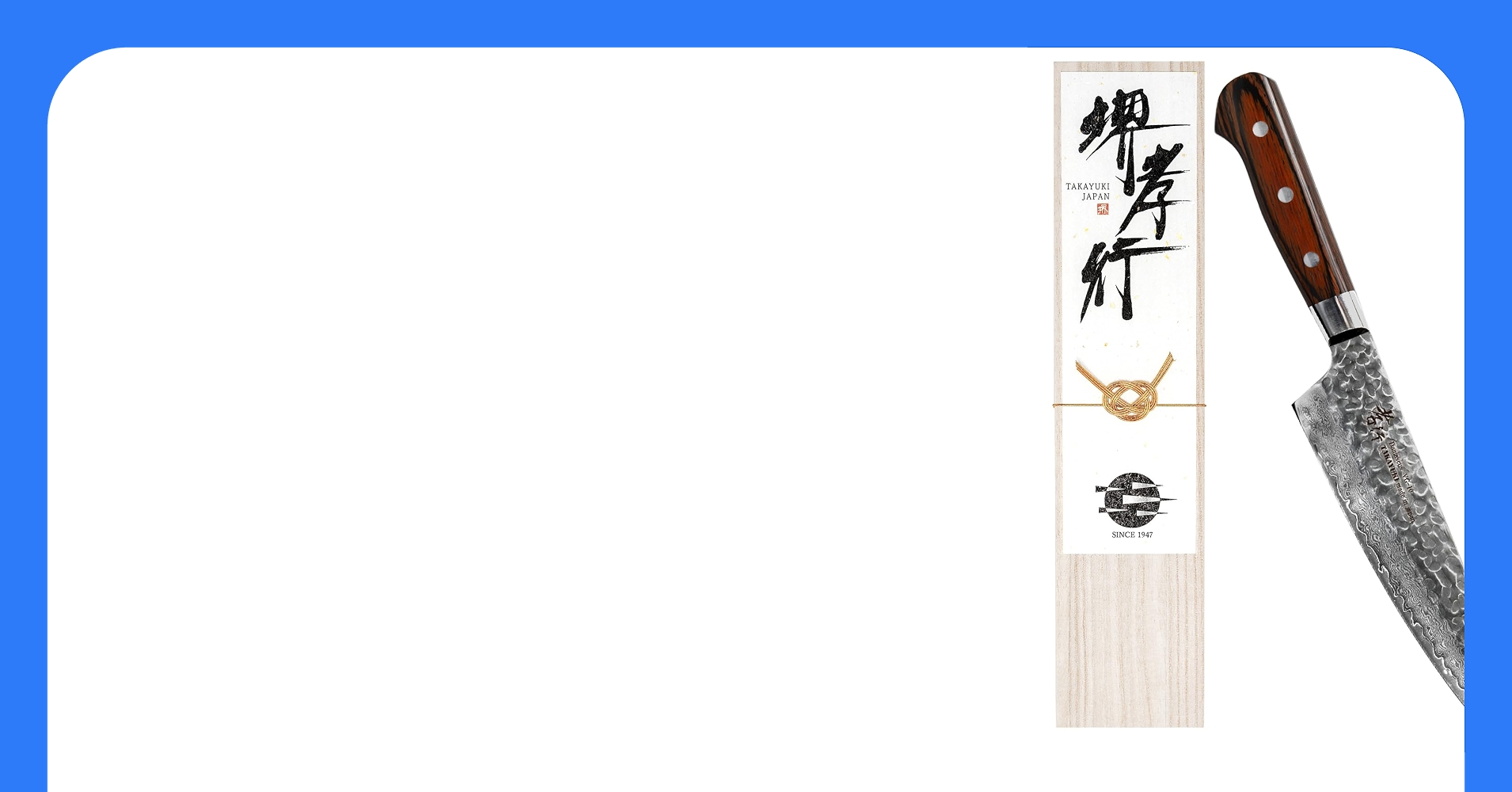
Sitting closer to the traditional side while remaining double-beveled and accessible, a Sakai-forged santoku offers genuine regional craftsmanship without demanding single-bevel technique — a reasonable bridge for buyers curious about wabocho culture without committing to a fully specialized blade.
Pros:
- Genuine traditional Sakai forging heritage
- Double-beveled, so no specialized technique required
- Good introduction to traditional Japanese craft culture
Cons:
- Still not a “true” single-bevel wabocho
- Premium pricing for what remains a general-purpose shape
- Doesn’t replace the need for specialized knives if you want authentic single-bevel performance

Recommendation by use case
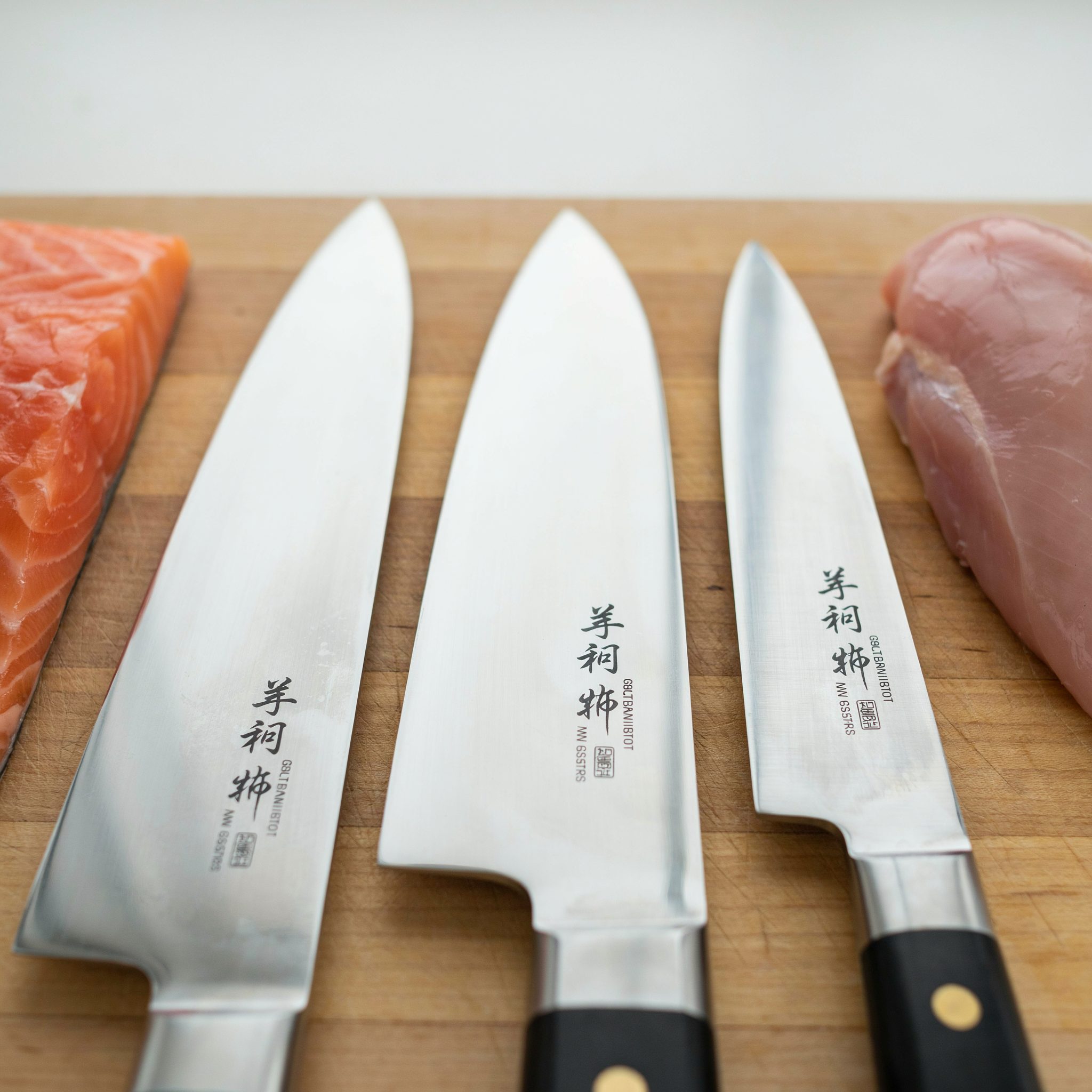
- Complete beginner, want Japanese knife quality without complexity: Start with a gyuto or santoku (yo-bocho) — our beginner guide covers this well.
- Curious about traditional wabocho culture, not ready for single-bevel technique: A Sakai-forged santoku bridges the gap nicely.
- Ready to commit to learning single-bevel technique for a specific task (e.g., sashimi): Look specifically for a yanagiba — a dedicated future guide territory, but worth knowing the category exists.
- Want to understand Japanese culture through cooking, not just own a nice knife: Read further into wabocho history and consider a Sakai-forged piece as a meaningful first step.
Conclusion
Wabocho isn’t just a fancy word for “Japanese knife” — it represents a genuinely distinct category of traditional, typically single-beveled, highly specialized blades that predate and differ meaningfully from the gyutos and santokus most beginners actually buy first. In my experience, understanding this distinction doesn’t mean you need to rush out and buy a single-bevel yanagiba — it just means you’ll understand exactly what you’re choosing when you pick a more accessible yo-bocho hybrid instead.
Want to go deeper? See our wabocho vs Western knives comparison for a closer look at the practical differences, or check current pricing on Sakai-forged santoku and gyuto knives using the links above.
コメント