Affiliate disclosure: This post contains affiliate links. If you buy through them, I earn a small commission at no extra cost to you. I only recommend knives I’d actually put in my own kitchen.
The problem: you don’t know if switching from a Western knife block is actually worth it
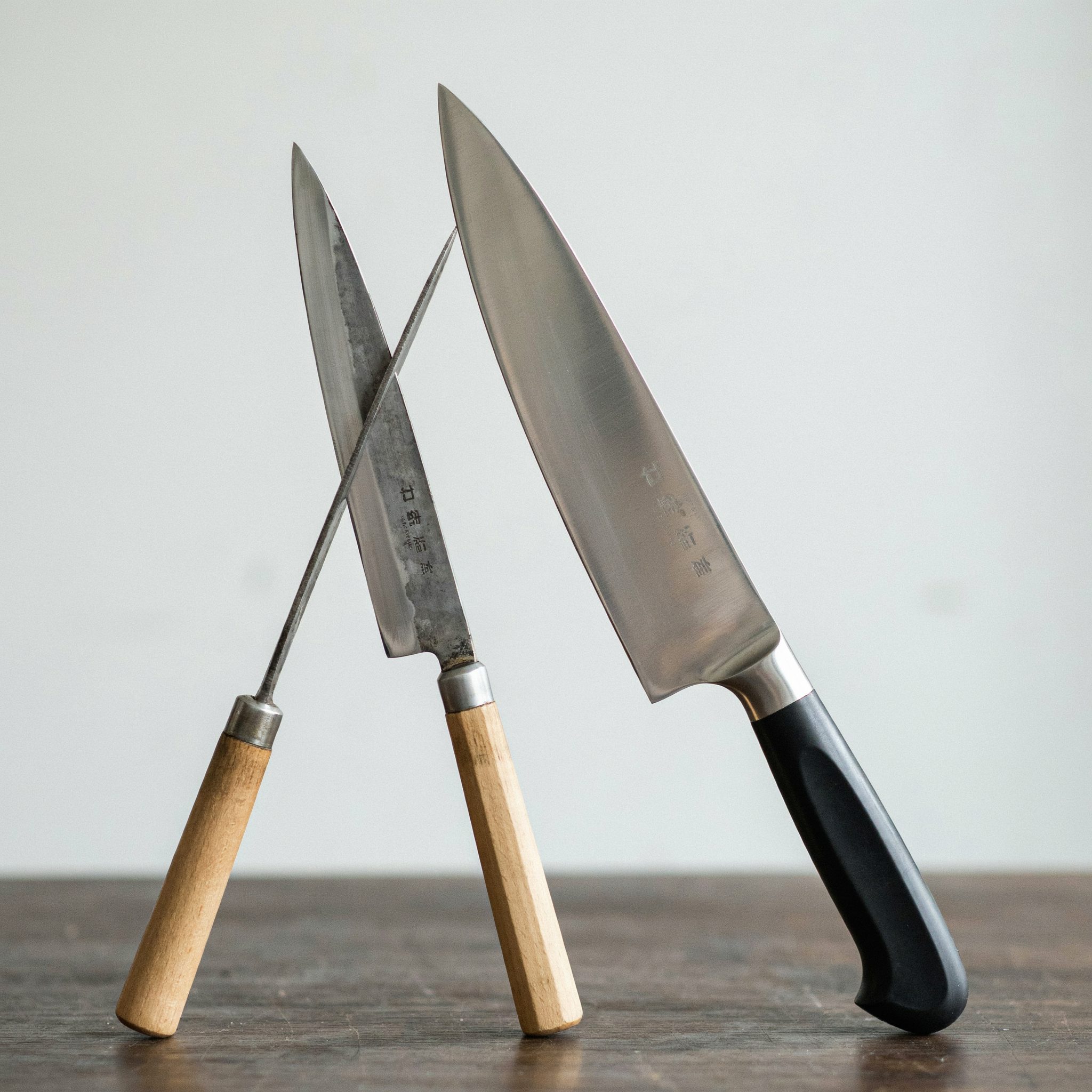
You’ve been cooking with a standard Western knife set for years and it’s worked fine — so why would you switch to a Japanese wabocho-influenced knife, and would you even notice the difference? The marketing around Japanese knives can feel like hype without a clear, honest breakdown of what actually changes in daily use.
In my experience making this switch myself, some differences are genuinely transformative and others are overstated — this article separates the two honestly.
Who this article is NOT for
- Buyers already committed to switching, just picking a specific knife. Our beginner guide is more directly useful.
- Anyone happy with their current Western knives and not looking to change. If it’s working, there’s no obligation to switch — this article won’t convince you otherwise, and shouldn’t need to.
- Professional chefs who’ve already made this comparison through training. You’ve lived this distinction already.
Selection criteria: what actually differs (3 points)
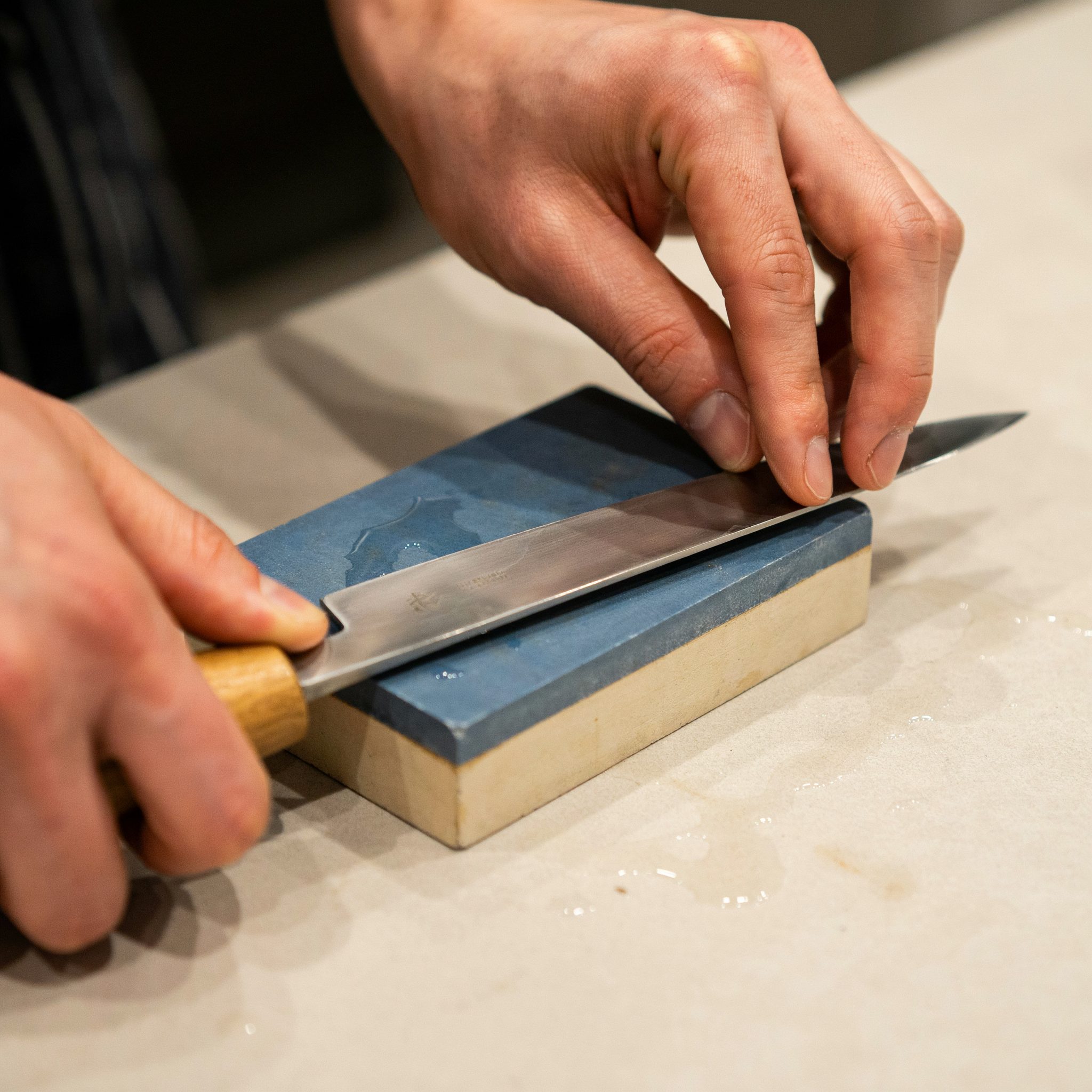
1. Edge angle and sharpness ceiling. Western knives are typically sharpened to a wider edge angle (around 20-22 degrees per side) for durability, while Japanese knives — including double-beveled gyutos — are commonly sharpened narrower (around 15-17 degrees), allowing for a noticeably sharper edge at the cost of some durability against hard use like bone contact.
2. Steel hardness and edge retention. Japanese blades commonly use harder steel (60+ HRC) compared to typical Western knives (around 56-58 HRC), meaning they hold a sharp edge longer between sharpenings, but are more prone to chipping if used incorrectly, such as on bones or frozen food.
3. Weight and balance philosophy. Western knives are often heavier and bolster-forward, designed partly to use the knife’s own weight to help drive through cuts. Japanese knives tend to be lighter, relying more on the sharper edge and the cook’s technique rather than blade weight.
Comparison table
| Traditional Western Knife | Japanese Knife (Gyuto/Santoku) | |
|---|---|---|
| Edge angle | ~20-22° per side | ~15-17° per side |
| Steel hardness | ~56-58 HRC | ~60-63 HRC |
| Weight | Heavier, bolster-forward | Lighter, blade-forward |
| Durability vs. bone/frozen food | More forgiving | Less forgiving, chips more easily |
| Maintenance | Less frequent sharpening needed | More frequent honing, careful use required |
Individual reviews
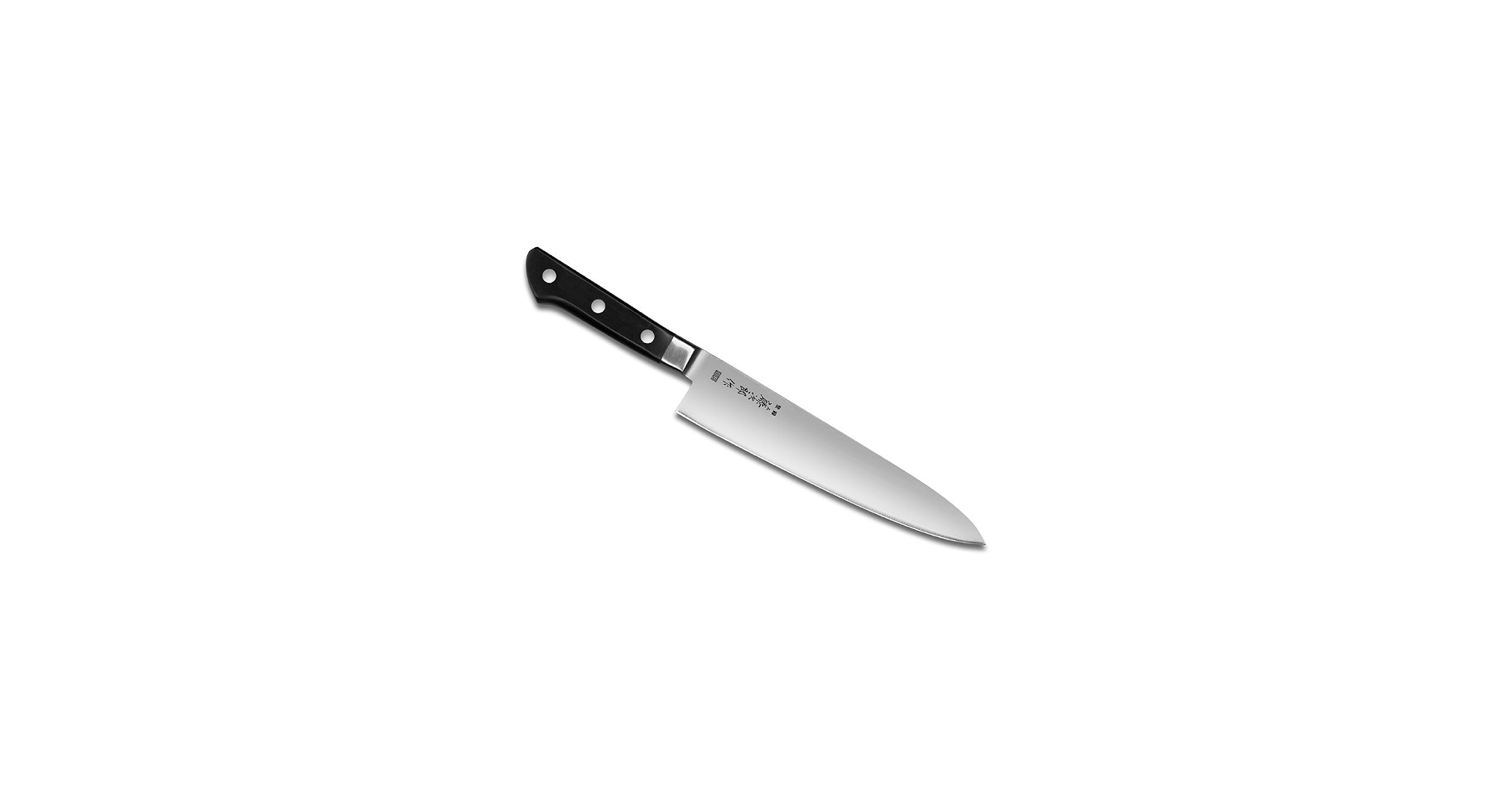
Tojiro DP Gyuto (Japanese comparison point)
Switching to the Tojiro from a typical Western chef’s knife, the sharpness difference is immediately obvious — vegetables that used to require some sawing motion now slice cleanly with minimal pressure. The tradeoff is real too: this isn’t a knife for chopping through chicken bones.
Pros:
- Noticeably sharper edge than typical Western knives at a similar price
- Lighter weight reduces fatigue over long prep sessions
- Excellent value for the performance jump
Cons:
- Requires more careful use — no bones, no frozen food, no glass cutting boards
- Needs more frequent honing to maintain the edge
- Less forgiving of improper technique than a heavier Western knife

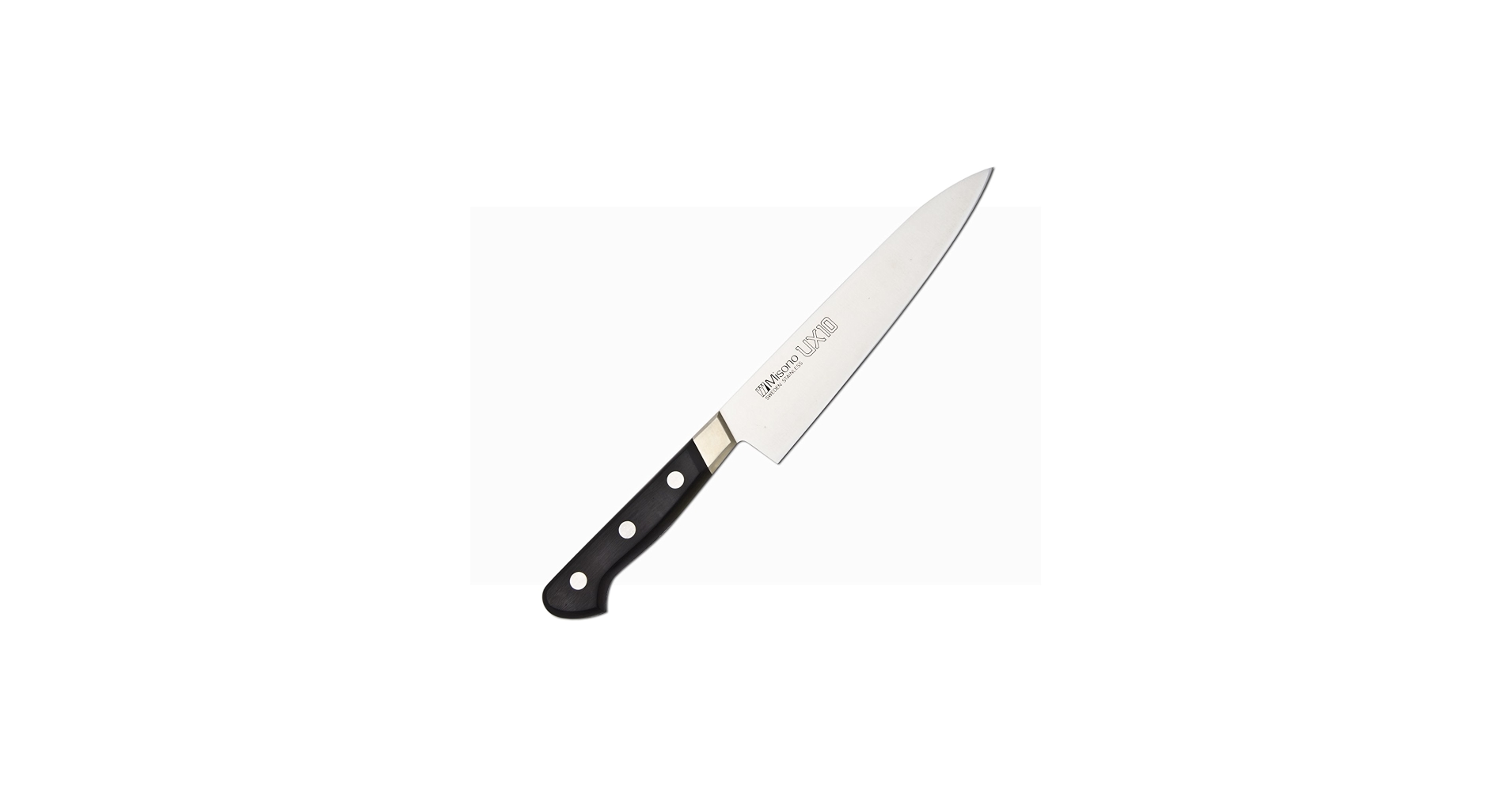
Misono UX10 (premium Japanese comparison point)
At the premium end, the UX10 makes the edge-angle and steel-hardness differences even more pronounced — genuinely effortless cutting, but demanding real care and proper cutting-board choice (wood or soft plastic only) to avoid damage.
Pros:
- Exceptional sharpness and edge retention
- Reinforces good cutting technique through its lighter, precision-focused design
- Long-term value if properly maintained
Cons:
- Premium price for a knife that punishes careless use
- Requires wooden or soft plastic cutting boards to avoid edge damage
- A steeper adjustment if you’re used to a heavy, forgiving Western knife

Recommendation by use case
- Want to feel the sharpness difference without a big investment: Start with a Tojiro DP Gyuto.
- Ready to commit fully and want the best possible edge: Misono UX10.
- Regularly cut through bone, frozen food, or use glass cutting boards: Stick with a Western knife for those specific tasks, and keep a Japanese knife for everything else.
- Want a gentle transition that keeps some Western knife familiarity: A Western-handled gyuto (rather than a traditional wa-handle) eases the switch.
Conclusion
The switch from Western to Japanese knives is genuinely worth it for most home cooks, but it comes with real behavioral changes — hand-washing instead of the dishwasher, a wooden or soft cutting board instead of glass or stone, and no more using your chef’s knife to crack through bones. In my experience, the sharpness gain is real and immediately noticeable, but only if you’re willing to adjust your habits to protect that edge.
Ready to try it yourself? Compare current pricing on the Tojiro DP Gyuto and Misono UX10 using the links above. Not sure this is a real commitment you’re ready for? Our best Japanese chef knife for beginners guide is a lower-risk starting point.
コメント