Affiliate disclosure: This post contains affiliate links. If you buy through them, I earn a small commission at no extra cost to you. I only recommend knives I’d actually put in my own kitchen.
The problem: “Sakai” gets used as a marketing buzzword without explanation
You’ll see “Sakai” attached to knife listings constantly, often with little explanation of why it matters. Is it a brand? A region? A quality marker? The ambiguity makes it hard to know whether you’re paying for something genuinely significant or just a word that sounds authentically Japanese on a product listing.
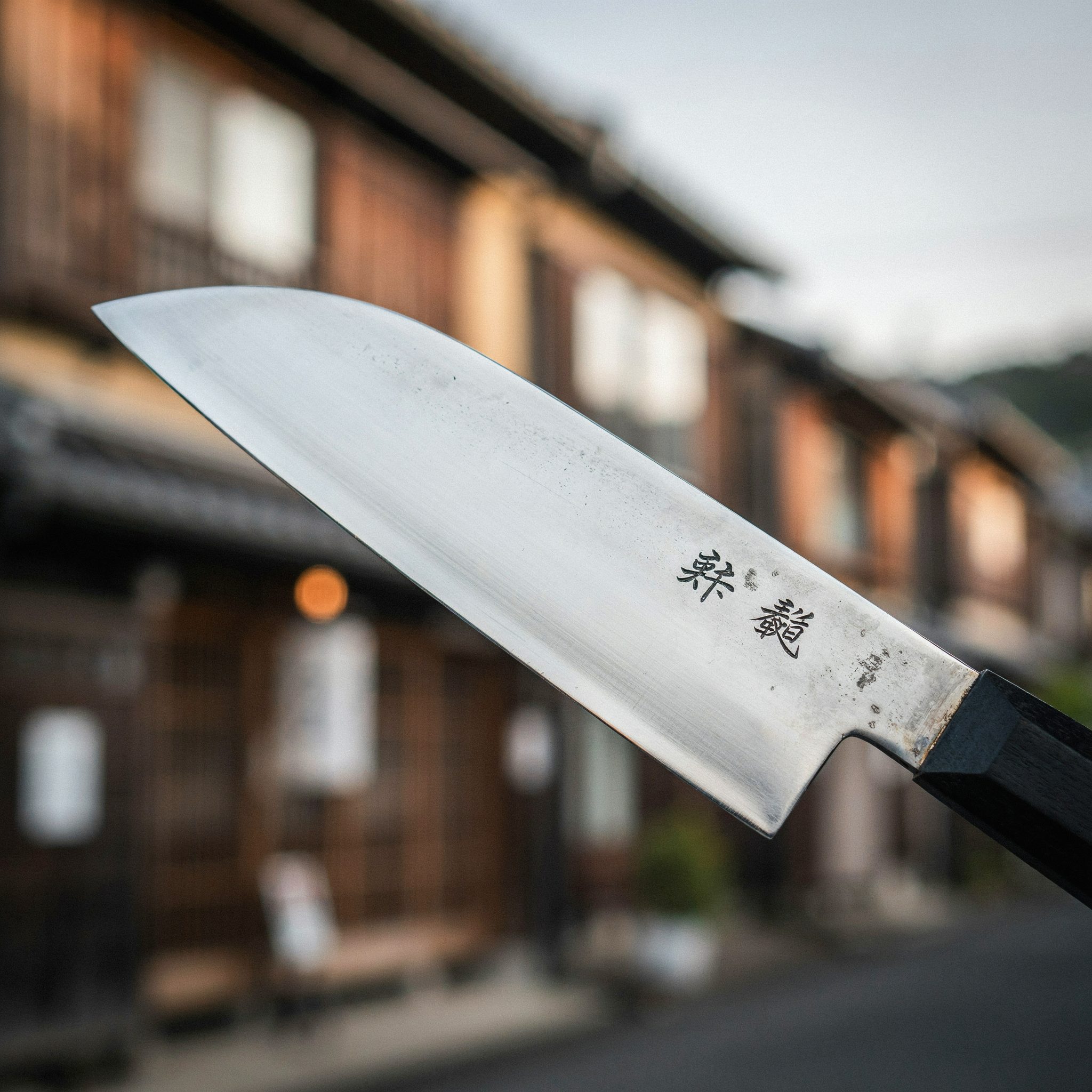
In my experience researching this properly, Sakai is worth understanding — it’s not just marketing language, it represents a genuine, centuries-old center of Japanese blade craftsmanship that still produces some of the best knives available today.
Who this article is NOT for
- Buyers who just want a straightforward recommendation without the history. Our beginner or brands comparison guides will get you to a purchase faster.
- Anyone assuming “Sakai” alone guarantees quality regardless of the specific line or maker. Not all Sakai-forged knives are equal — the specific smith and line matter enormously.
- Budget shoppers under $100. Genuine Sakai-forged knives generally start above this range due to the hand-forging labor involved.
Selection criteria (3 points)
1. Genuine regional forging heritage versus marketing language. Sakai, a city near Osaka, has been a center of Japanese blade forging since the 16th century, originally producing swords and tobacco knives before becoming globally known for kitchen knives. A knife genuinely forged there by a recognized workshop is meaningfully different from a knife simply marketed with “Sakai” in the name.
2. Traditional forging methods and division of labor. Sakai knife production traditionally splits the process between specialist blacksmiths (forging) and sharpeners (final edge work) — a division of labor that’s rare in mass manufacturing and contributes to the quality of genuine Sakai pieces.
3. Steel and construction variety across specific lines. Sakai workshops produce knives across a wide range of steel types and price points, from accessible entry lines to high-end custom work — knowing which specific line you’re buying matters more than the regional name alone.
Comparison table
| Sakai Takayuki (entry lines) | Sakai Takayuki (premium lines) | Non-Sakai comparable (e.g., Misono) | |
|---|---|---|---|
| Forging | Traditional, Sakai region | Traditional, Sakai region, higher-grade steel | Modern manufacturing |
| Price | $94.99 | $158.00–$199.99 | $200–360 |
| Steel options | Standard stainless/VG10 variants | Premium carbon and specialty steels | Swedish stainless |
| Best for | Buyers wanting authentic heritage at accessible pricing | Buyers wanting top-tier traditional craftsmanship | Buyers prioritizing pure modern performance |
Individual reviews
Sakai Takayuki (entry-level lines)
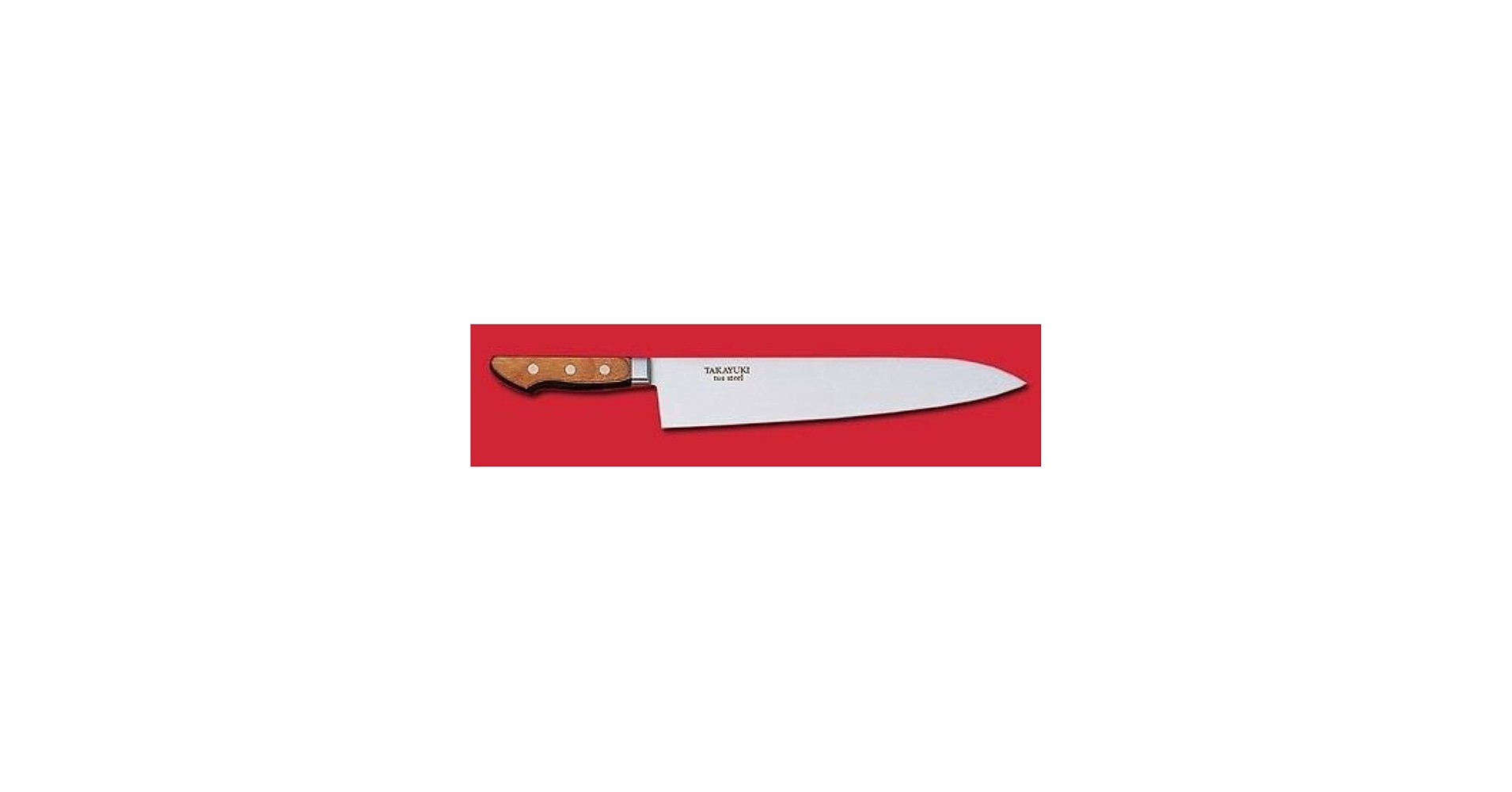
Sakai Takayuki’s more accessible lines make genuine Sakai-region forging available without the premium pricing of their top-tier offerings. In my experience, these knives perform excellently for the price while still carrying real provenance.
Pros:
- Genuine traditional forging at a relatively accessible price
- Real cultural and historical significance
- Good performance across a range of standard steel options
Cons:
- Less refined than the brand’s premium lines
- Still requires research to pick the right specific model
- Availability can be inconsistent depending on the specific line

Sakai Takayuki (premium lines)
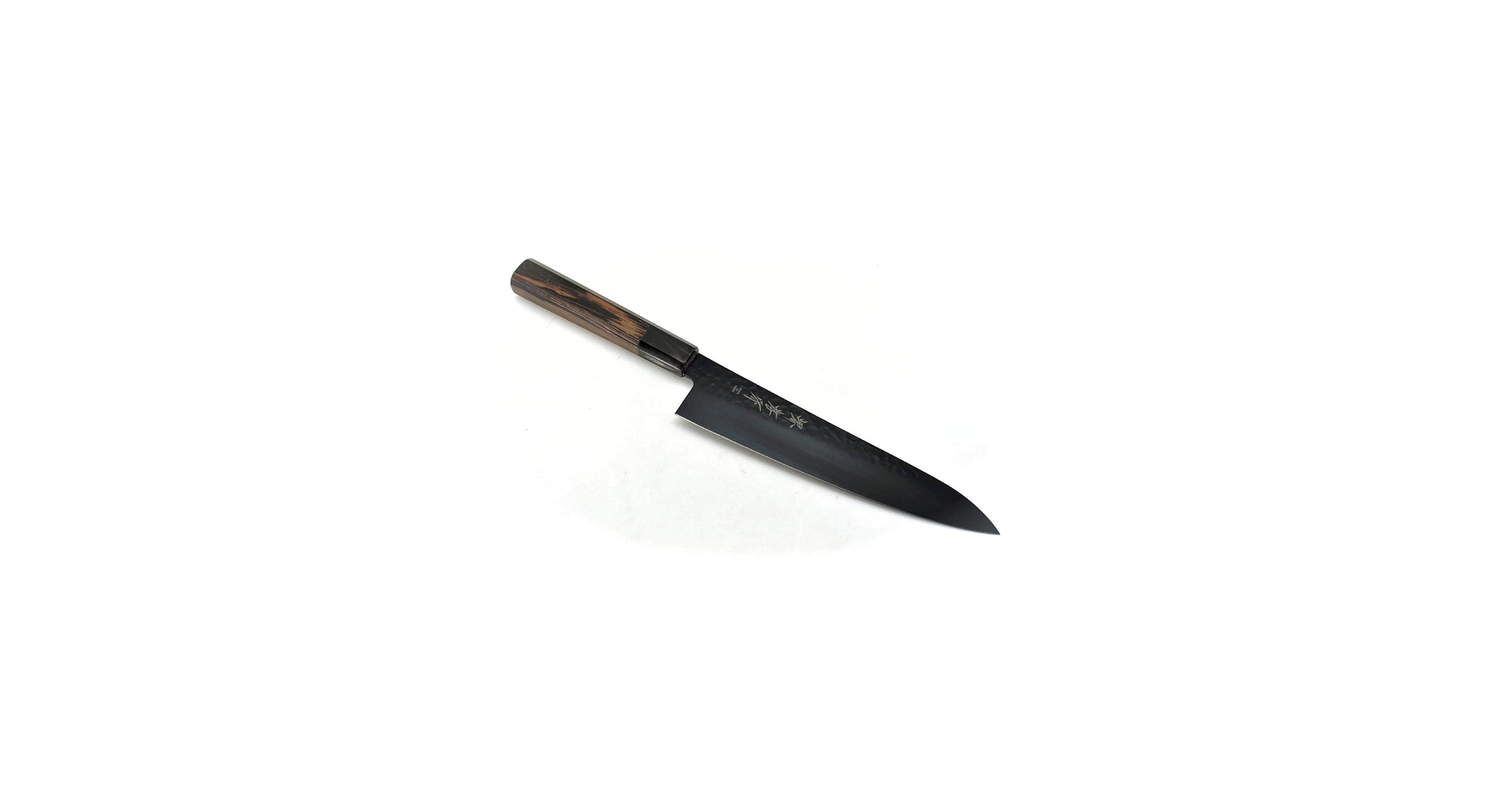
For buyers wanting the full traditional Sakai experience, the premium lines use higher-grade steels and more refined hand-finishing, representing the upper end of what this heritage tradition can produce.
Pros:
- Top-tier traditional craftsmanship
- Wide range of premium steel options depending on desired hardness and edge retention
- Strong reputation among knife-literate buyers and collectors
Cons:
- Significant investment
- Traditional handle options need more maintenance familiarity than synthetic alternatives
- Sourcing the exact right line requires more research than buying a standardized brand

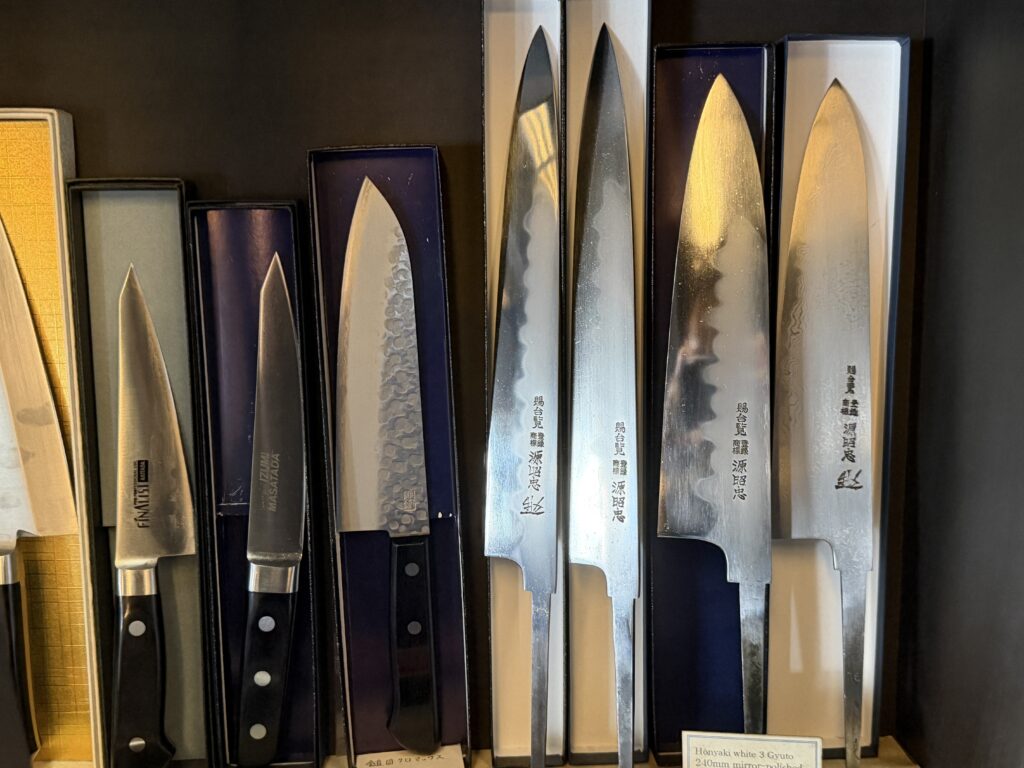
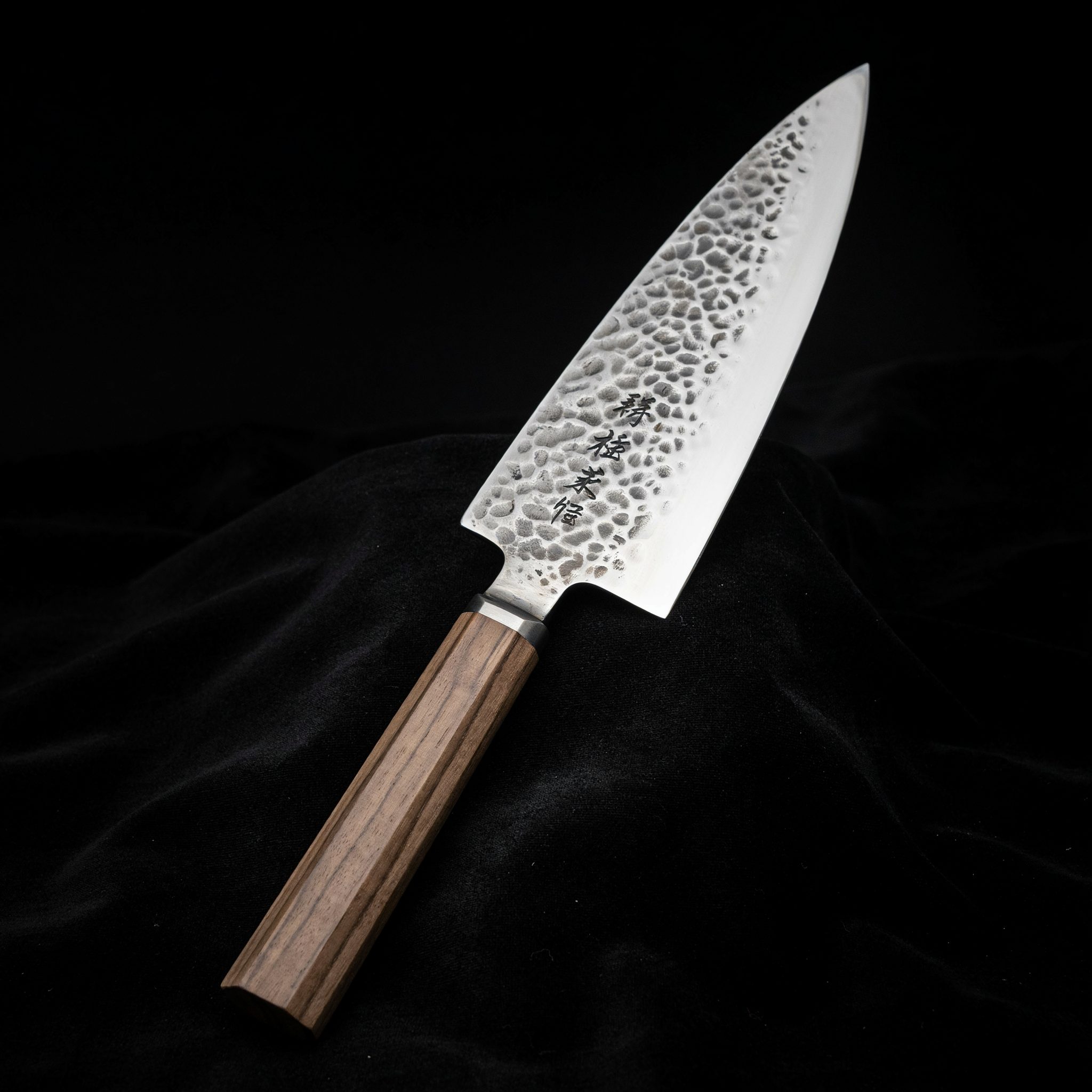
Knives on display at a traditional knife shop in Sakai, Japan.
Recommendation by use case
- Want authentic Sakai heritage without premium pricing: Sakai Takayuki entry lines.
- Want the absolute best traditional craftsmanship available: Sakai Takayuki premium lines.
- Value provenance and story as much as performance: Sakai Takayuki generally, over a modern-manufactured alternative.
- Prioritize pure modern performance and consistency over heritage: Consider Misono instead — see our brands comparison.
Conclusion
Sakai isn’t just a marketing word — it represents a genuine, centuries-deep tradition of Japanese blade craftsmanship that continues to produce excellent knives today. In my experience, the “Sakai” label is worth paying attention to, but it’s not a blank check — the specific workshop and line still matter enormously, so it’s worth doing a little homework rather than buying on the regional name alone.
Ready to explore further? Check current pricing on Sakai Takayuki knives using the links above, or read our deeper dive into Sakai Takayuki specifically for line-by-line recommendations.
コメント