Affiliate disclosure: This post contains affiliate links. If you buy through them, I earn a small commission at no extra cost to you. I only recommend knives I’d actually put in my own kitchen.
The problem: Miyabi looks incredible, but is that reason enough to spend $400+?
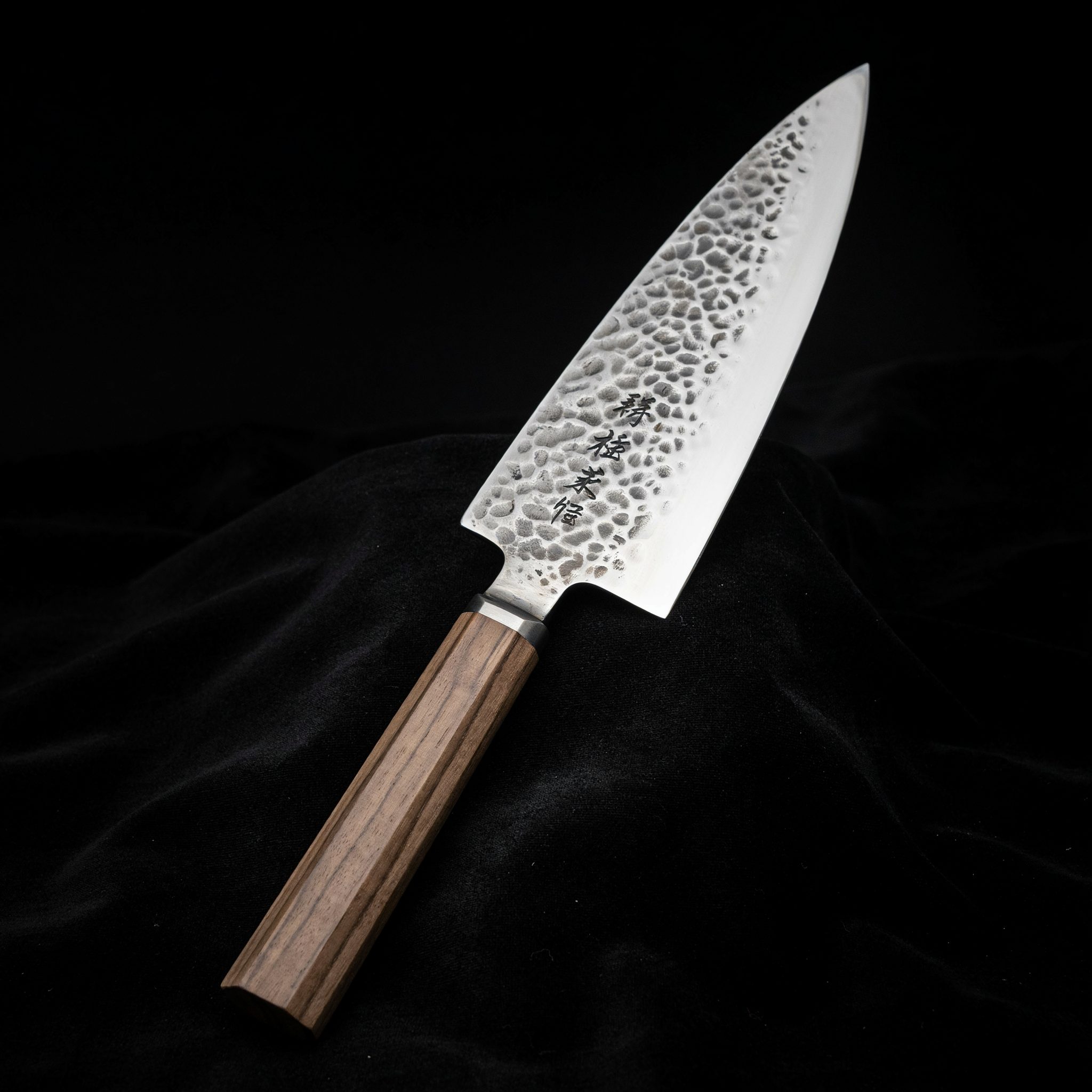
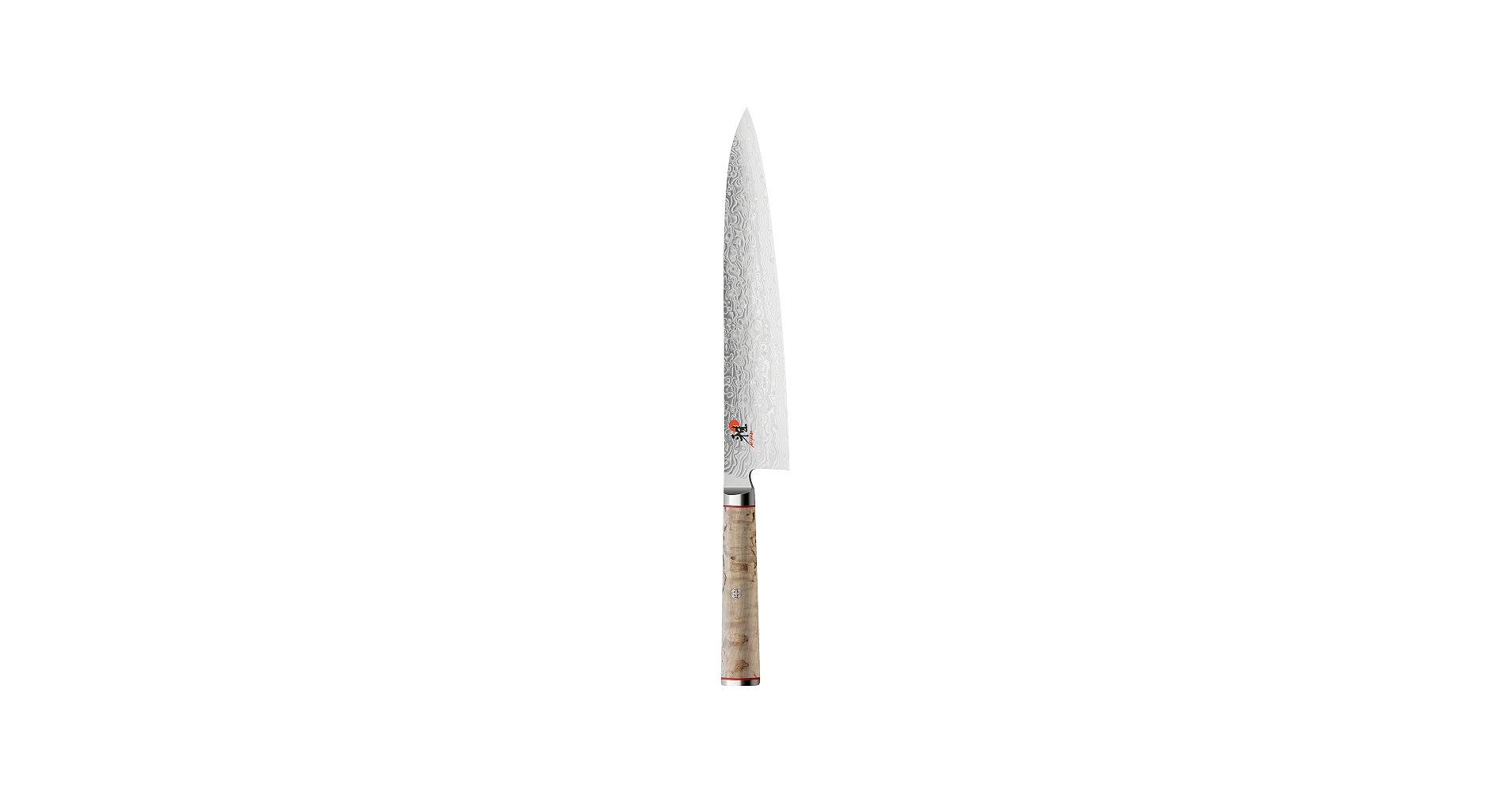
Miyabi knives are some of the most photographed kitchen tools on the internet — the hammered Damascus finish and distinctive birchwood handles make them genuinely eye-catching. But when a knife costs two to three times what a well-reviewed alternative like a Misono or Shun costs, it’s fair to ask whether you’re paying for real performance gains or mostly for looks.
In my experience, this is one of the most common hesitations buyers voice before pulling the trigger on a Miyabi, and it deserves a direct, honest answer rather than a sponsored-feeling “yes, buy it” review.
Who this article is NOT for
- Budget-conscious buyers. If $325+ is out of range, a Shun Classic gets you most of the visual appeal for meaningfully less — see our brands comparison.
- Buyers who only care about pure cutting performance and don’t value aesthetics at all. A Misono will outperform-per-pound for pure function.
- Anyone planning heavy daily abuse of the knife. Miyabi’s more delicate handle materials reward careful use, not rough treatment.
Selection criteria (3 points)
1. Does the price premium reflect genuine material and craft differences, or mostly brand markup? Miyabi uses real proprietary steel blends and hand-finishing touches that do cost more to produce — this isn’t pure marketing markup, but it’s worth understanding what you’re actually paying for.
2. Real-world performance versus comparable-priced alternatives. Does a Miyabi cut noticeably better than a Misono or top-tier Shun at a similar price point, or is the extra cost mostly the birchwood handle and hammered finish?
3. Longevity and how the knife ages with use and care. Premium materials like birchwood handles can look stunning initially but need more specific care than synthetic alternatives — worth knowing before committing.
Comparison table
| Miyabi Birchwood 5000MCD | Shun Classic (for reference) | Misono UX10 (for reference) | |
|---|---|---|---|
| Price | $325–450 | $170–280 | $200–360 |
| Steel | Proprietary MC63 core | VG-MAX | Swedish stainless |
| Handle | Birchwood | PakkaWood (synthetic-composite) | Stainless |
| Aesthetic | Very high (hammered Damascus) | High (Damascus) | Plain |
Individual reviews
Miyabi Birchwood 5000MCD
Handling the Birchwood 5000MCD, the first thing that strikes you is the finish quality — the hammered “tsuchime” pattern isn’t just decorative, it helps reduce food sticking to the blade slightly, alongside looking genuinely exceptional. The core steel performs at a level that matches its premium positioning, holding an edge well through regular home use.
Pros:
- Among the most visually striking knives available in this niche
- Proprietary steel blend performs at a genuinely premium level
- Distinctive birchwood handle feels excellent in hand when properly maintained
Cons:
- Significant price premium over comparably performing alternatives
- Birchwood handle needs more specific care than synthetic options
- Some buyers report the knife feels “too nice to use” for daily rough tasks, ironically reducing how often it gets picked up

Is it worth the price?
Honestly — it depends on what you’re buying it for. If you’re purely optimizing for cutting performance per pound spent, a Misono UX10 or even a well-cared-for Yoshihiro will get you extremely close to Miyabi-level results for meaningfully less money. The Miyabi’s premium is real, but it’s concentrated in craftsmanship details, materials, and aesthetic presentation rather than a dramatic leap in raw cutting ability.
In my experience, buyers who end up happiest with a Miyabi purchase are the ones who genuinely value owning a beautiful object as much as a functional tool — people who enjoy the ritual of cooking, who want a knife that feels special every time they pick it up, not just buyers chasing marginal performance gains.
Recommendation by use case
- You want the best possible cutting performance per pound spent: Skip Miyabi — get a Misono UX10 instead.
- You want a knife that’s also a genuinely beautiful object you’ll enjoy owning: Miyabi is worth it.
- Buying for a special occasion or as a serious gift: Miyabi’s presentation justifies the premium here.
- You’re rough on kitchen tools and don’t baby your equipment: Choose something more forgiving — the Tojiro DP or Yoshihiro will hold up better to less careful handling.
Conclusion
Miyabi isn’t overpriced in the sense of being poor value for what it delivers — the craftsmanship and materials genuinely justify a premium. But it’s not the knife to buy if pure performance-per-pound is your only metric. In my experience, it’s best understood as a premium lifestyle purchase that happens to also cut extremely well, rather than a performance upgrade over cheaper premium alternatives.
Ready to decide? Check current pricing on the Miyabi Birchwood 5000MCD using the link above, or compare it against the Shun Classic and Misono UX10 in our full Japanese chef knife brands comparison.
コメント