Affiliate disclosure: This post contains affiliate links. If you buy through them, I earn a small commission at no extra cost to you. I only recommend knives I’d actually put in my own kitchen.
The problem: Sakai Takayuki sells the same basic shape across a wide price spread
Once you’ve decided you want a genuine Sakai Takayuki gyuto, the next question is which specific tier actually makes sense — the brand sells versions ranging from under $100 to close to $200, all technically “Sakai Takayuki gyuto,” with the differences not always obvious from the listing photos alone.
In my experience, the real differences come down to steel construction and finish rather than the core cutting geometry, so it’s worth understanding what you’re actually paying more for before picking the highest-priced option out of habit.
Who this article is NOT for
- Buyers wanting the cheapest possible option regardless of brand. A Tojiro DP Gyuto undercuts all three of these — see our beginner’s guide instead.
- First-time Japanese knife buyers. This assumes some existing familiarity — start with our beginner guide if this is your first purchase.
- Buyers who don’t care about regional provenance specifically. If you just want the best-performing knife regardless of origin, our brands comparison covers more ground.
Selection criteria (3 points)
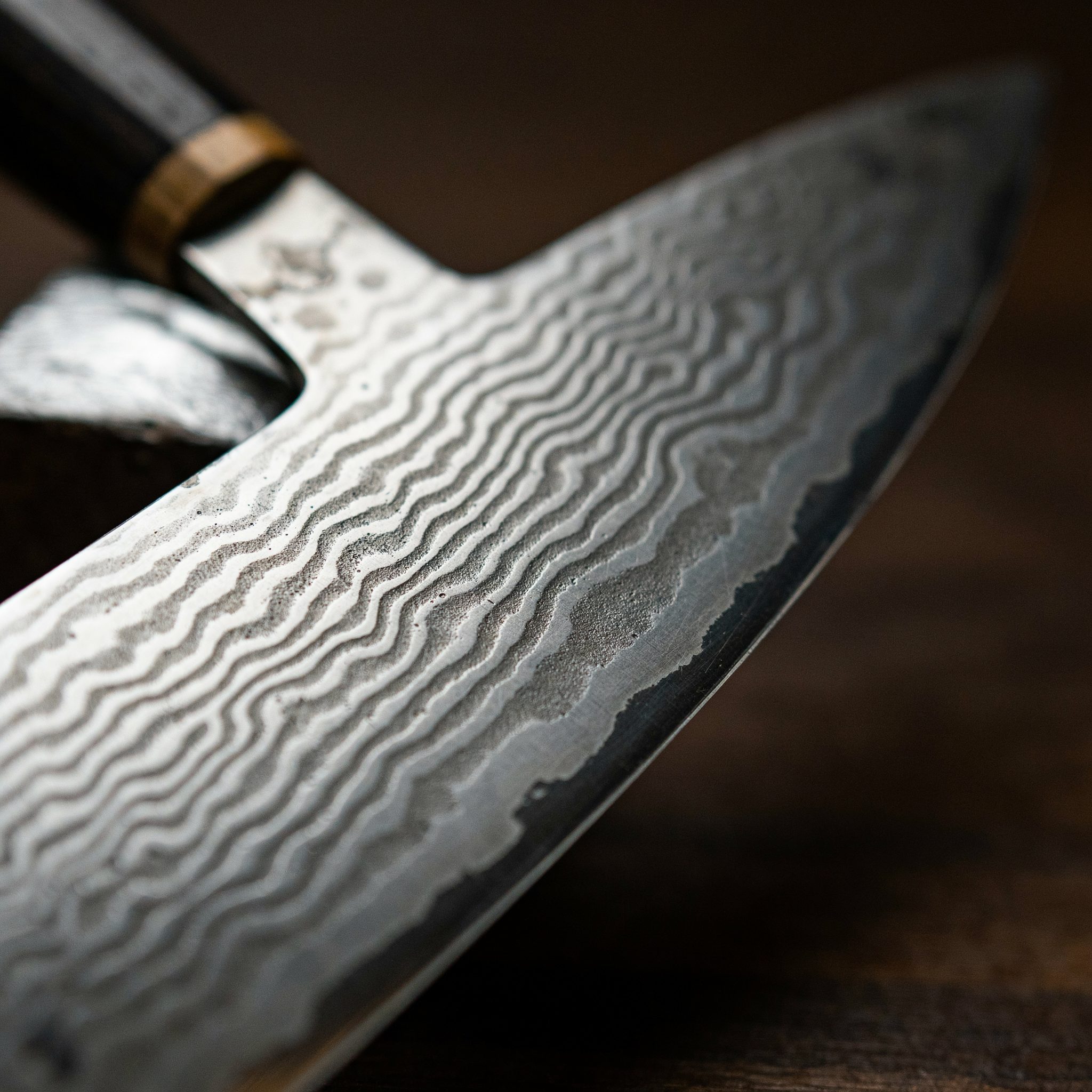
1. Steel construction: stainless-clad vs. hammered Damascus. The entry tier uses a simpler stainless construction, while the mid and upper tiers add hammered Damascus cladding — mainly a finish and food-release benefit rather than a dramatic performance leap.
2. Blade size and how it matches your prep style. These tiers span different blade lengths; a longer blade suits larger cutting boards and bigger batches, while a shorter one is easier to maneuver for most home cooking.
3. How much of the price increase you’ll actually notice day to day. Going from the entry tier to the top tier roughly doubles the price — worth being honest about whether that shows up as a real difference in your kitchen or mostly as a nicer-looking knife.
Comparison table
| Knife | Steel | Price | Best For |
|---|---|---|---|
| Sakai Takayuki Gyuto (Stainless Hi-Carbon) | Hi-carbon stainless | $94.99 | Most accessible genuine Sakai Takayuki option |
| Sakai Takayuki Gyuto (Hammered Damascus, 33-layer VG-10, 240mm) | VG-10 core, Damascus cladding | $158.00 | Best balance of size, finish, and price |
| Sakai Takayuki Gyuto (Hammered Black VG-10) | VG-10 core, black-finished Damascus | $199.99 | Buyers wanting the most distinctive finish |
Individual reviews
Sakai Takayuki Gyuto (Stainless Hi-Carbon)
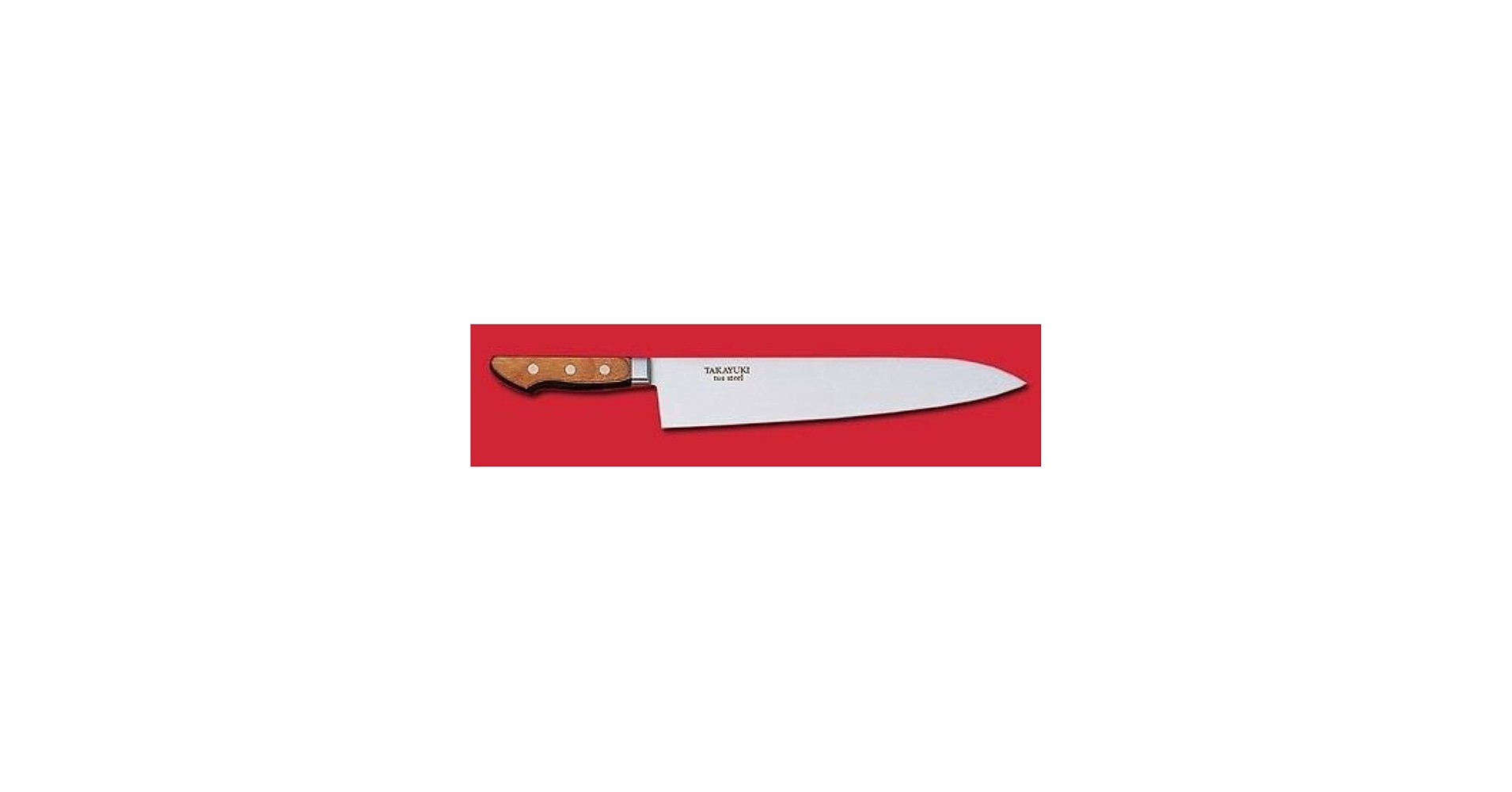
This is the most accessible way into genuine Sakai Takayuki — a straightforward hi-carbon stainless construction without the Damascus cladding of the pricier tiers, keeping both cost and maintenance simple.
Pros:
- Genuine, traceable Sakai Takayuki provenance at the lowest price in the lineup
- Simple stainless construction is easy to live with day to day
- Strong customer ratings for the price
Cons:
- Plainer finish than the Damascus-clad tiers
- Smaller size than the 240mm mid-tier option
- Fewer visual cues that distinguish it from other stainless gyutos at a glance

Sakai Takayuki Gyuto (Hammered Damascus, 240mm)
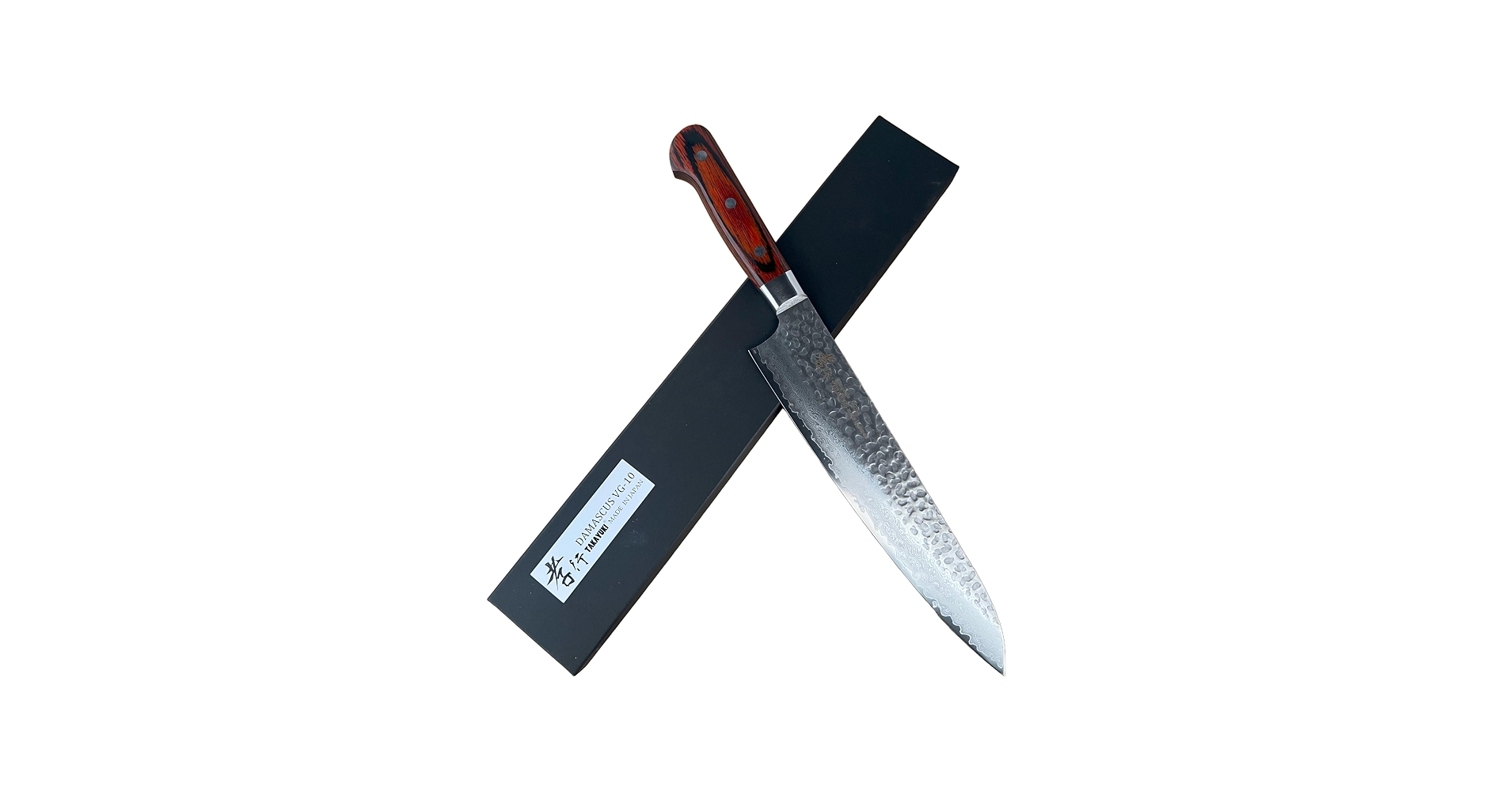
The 240mm hammered Damascus version is the natural middle ground — a longer, more capable blade with a distinctive 33-layer VG-10 Damascus finish, at a price that’s still well short of the top tier.
Pros:
- Longer 240mm blade suits bigger cutting boards and batch prep
- Hammered Damascus finish looks and feels more premium than the entry tier
- Strong review base backing up real-world reliability
Cons:
- Sits meaningfully above the entry tier in price
- Damascus finish needs prompt drying to stay pristine
- Larger size may feel unwieldy for buyers used to a shorter blade

Sakai Takayuki Gyuto (Hammered Black VG-10)
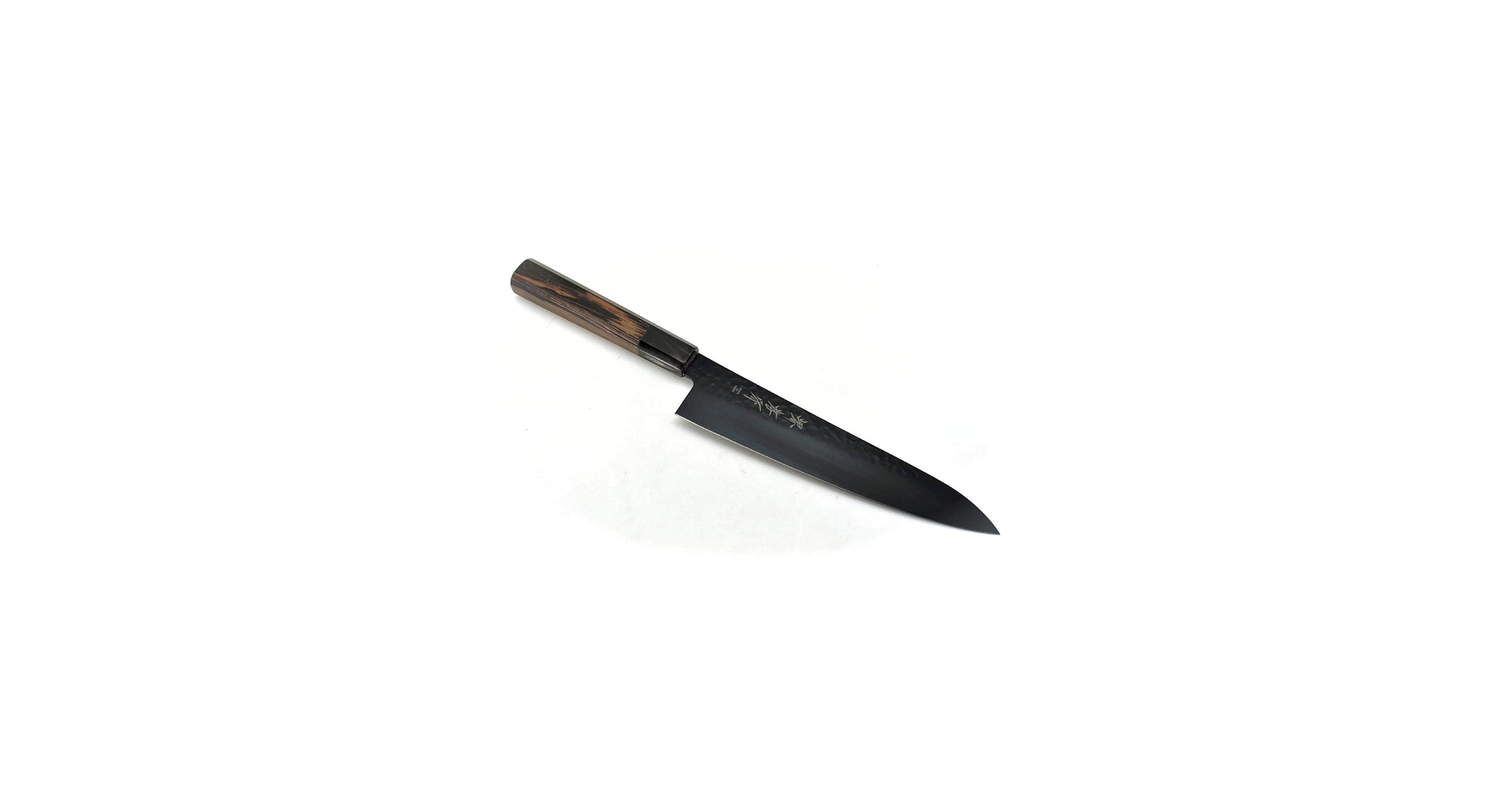
At the top of this lineup, the black-finished hammered VG-10 gyuto is the most visually distinctive of the three — a genuinely striking knife if you want your Sakai Takayuki purchase to look as premium as it costs.
Pros:
- Most distinctive finish of the three tiers
- Available in both 210mm and 240mm depending on preference
- Feels like a deliberate step up, not just a price increase
Cons:
- Roughly double the price of the entry tier for a finish-level, not geometry-level, upgrade
- Fewer reviews than the mid-tier option
- Black finish may show wear differently than a standard Damascus pattern over time

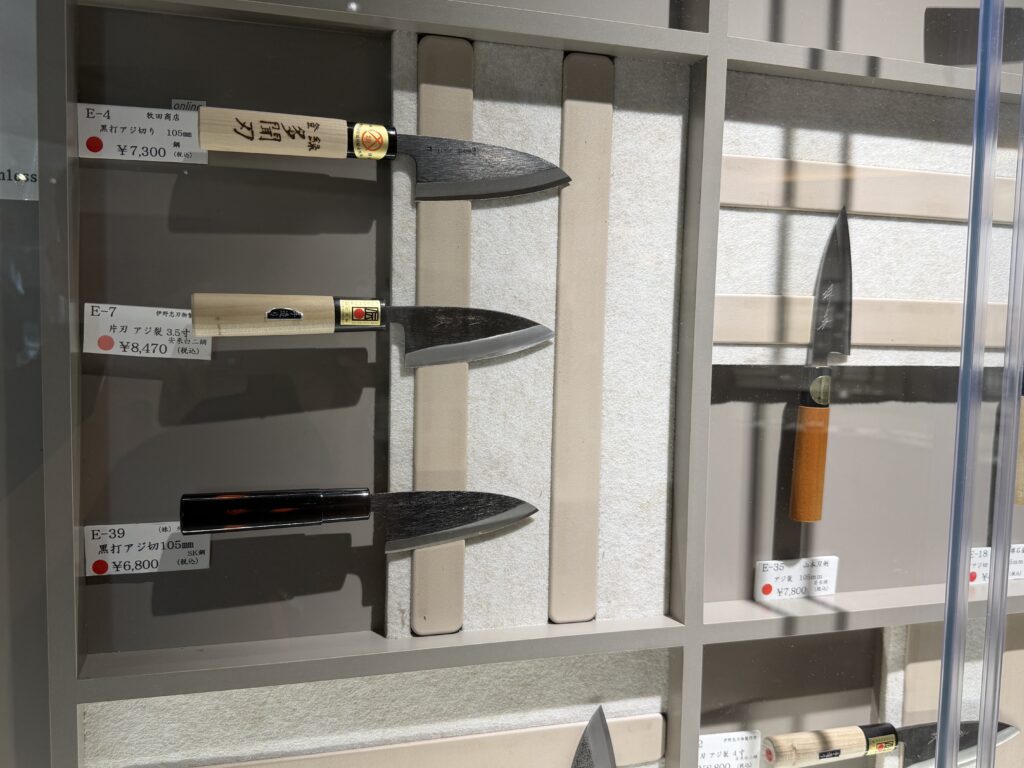
A price-tagged knife display at a traditional knife shop in Sakai, Japan.
Recommendation by use case
- Want the most accessible genuine Sakai Takayuki option: Stainless Hi-Carbon tier.
- Want the best all-round balance of size, finish, and price: Hammered Damascus 240mm tier.
- Want the most distinctive-looking knife and don’t mind paying for it: Hammered Black VG-10 tier.
- Cook mostly vegetables and want a different shape: See our santoku vs gyuto guide.
Conclusion
All three of these are genuinely the same brand and the same core shape — the decision mostly comes down to how much finish and size matter to you, not which one “cuts better.” In my experience, the mid-tier 240mm Damascus version offers the most convincing case for most home cooks, while the entry tier is a perfectly reasonable way to try the brand without committing to the higher price.
Ready to buy? Compare current pricing on all three Sakai Takayuki gyuto tiers using the links above. New to caring for this kind of blade? See our wabocho maintenance guide.
コメント