Affiliate disclosure: This post contains affiliate links. If you buy through them, I earn a small commission at no extra cost to you. I only recommend knives I’d actually put in my own kitchen.
- The problem: history feels irrelevant until you understand why it affects what you’re buying
- Who this article is NOT for
- Selection criteria: how history translates to today’s knives (3 points)
- Comparison table: heritage brands vs. modern manufacturing
- Individual reviews
- Recommendation by use case
- Conclusion
The problem: history feels irrelevant until you understand why it affects what you’re buying
It’s easy to skip past the history of Sakai as marketing fluff — interesting trivia, but not something that actually changes your purchase decision. In my experience, that’s a mistake. Understanding why Sakai became Japan’s blade-forging center directly explains why knives from this region are made the way they are today, and helps you evaluate whether a “Sakai” listing is genuinely representative of that tradition or just borrowing the name.
This isn’t a pure history lesson — it’s framed around what that history actually means for the specific knives available to you right now.
Who this article is NOT for
- Buyers who just want a straightforward product recommendation. Our beginner guide or brands comparison will get you there faster.
- Anyone assuming regional history alone guarantees a good purchase. Context matters, but so does the specific line and current buyer feedback.
- Readers looking for an exhaustive academic history. This is a practical, buyer-focused summary, not a historical deep-dive.
Selection criteria: how history translates to today’s knives (3 points)
1. Origins in sword and tobacco-knife making. Sakai’s blade-forging tradition dates back to the 16th century, originally producing swords for samurai and later specialized tobacco-cutting knives, before pivoting toward kitchen knives as demand shifted. This deep specialization in cutting-edge metalwork is why the region developed such refined forging techniques in the first place — techniques that carried directly into kitchen knife production.
2. The traditional division of labor. Unlike most modern manufacturing, traditional Sakai production splits work between a blacksmith (forging the blade) and a separate sharpener (finishing the edge) — a specialization structure that allows each craftsperson to focus deeply on one skill, contributing to the quality you can still find in genuine Sakai knives today.
3. Government recognition and continued craft status. Sakai’s kitchen knife tradition holds recognized status as a traditional Japanese craft, which matters practically because it means there’s ongoing institutional support for maintaining traditional forging standards — not just historical nostalgia, but a living, monitored craft tradition.
Comparison table: heritage brands vs. modern manufacturing
| Sakai-forged (e.g., Sakai Takayuki) | Modern manufactured (e.g., Tojiro, Misono) | |
|---|---|---|
| Origin | Traditional workshops, Sakai region | Modern factories, various regions |
| Labor structure | Specialist forger + specialist sharpener | Integrated modern production |
| Consistency | Varies by workshop/line | Highly standardized |
| Price | $200+ typically | $70+ across a wide range |
| What you’re buying | Craft, heritage, hand-finishing | Engineered consistency, value |
Individual reviews
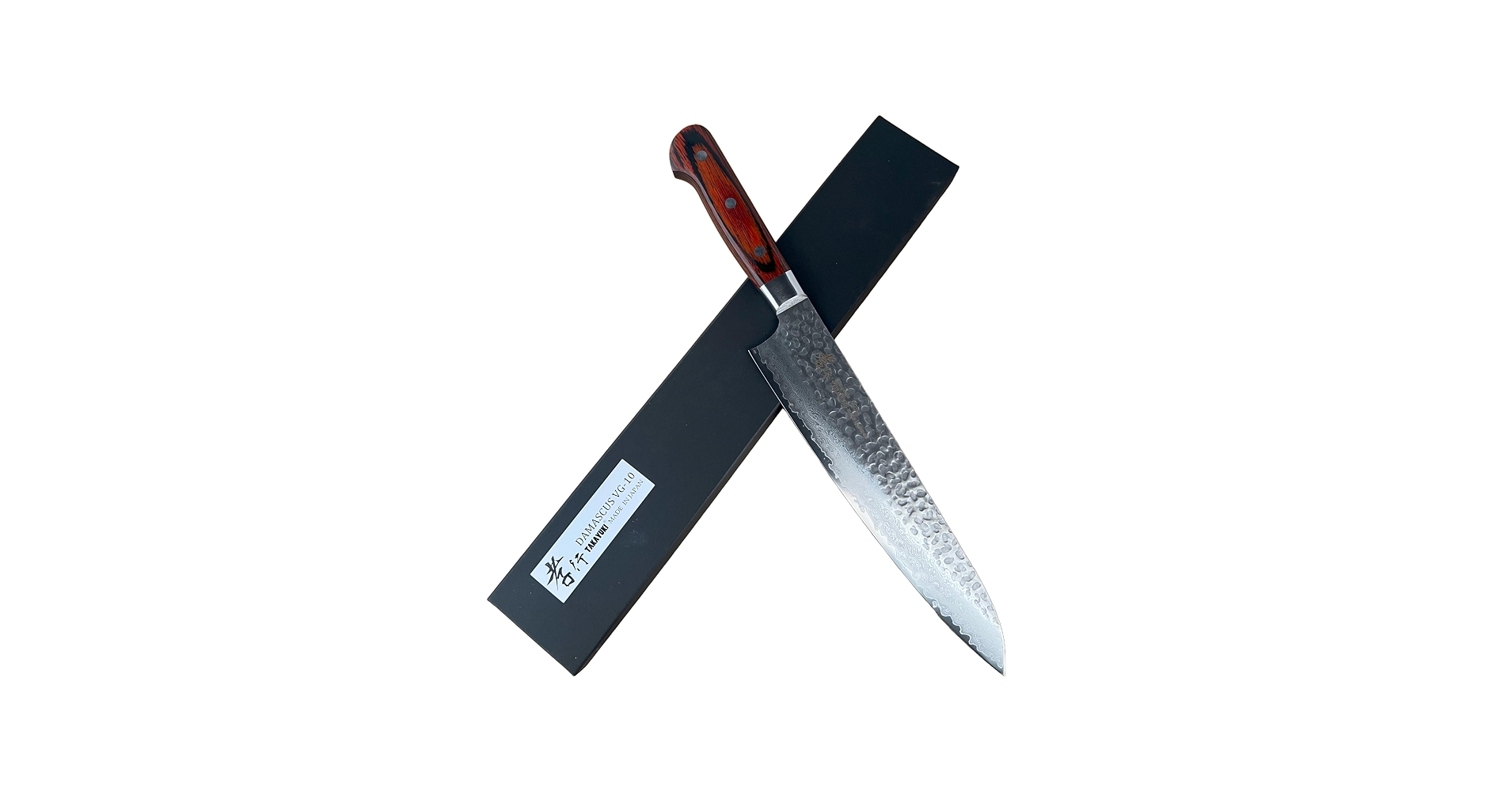
Sakai Takayuki (representing the traditional approach)
As the most widely available Sakai-region brand, Sakai Takayuki knives let you access this centuries-old tradition directly. In my experience, the edge quality reflects the traditional sharpening specialization clearly — genuinely excellent, distinct in feel from mass-manufactured alternatives.
Pros:
- Direct connection to genuine centuries-old craft tradition
- Distinctive edge quality from specialist hand-sharpening
- Wide range of lines across different price points
Cons:
- Requires more research to pick the right specific line
- Less standardized than modern-manufactured competitors
- Pricing sits above true entry-level budgets

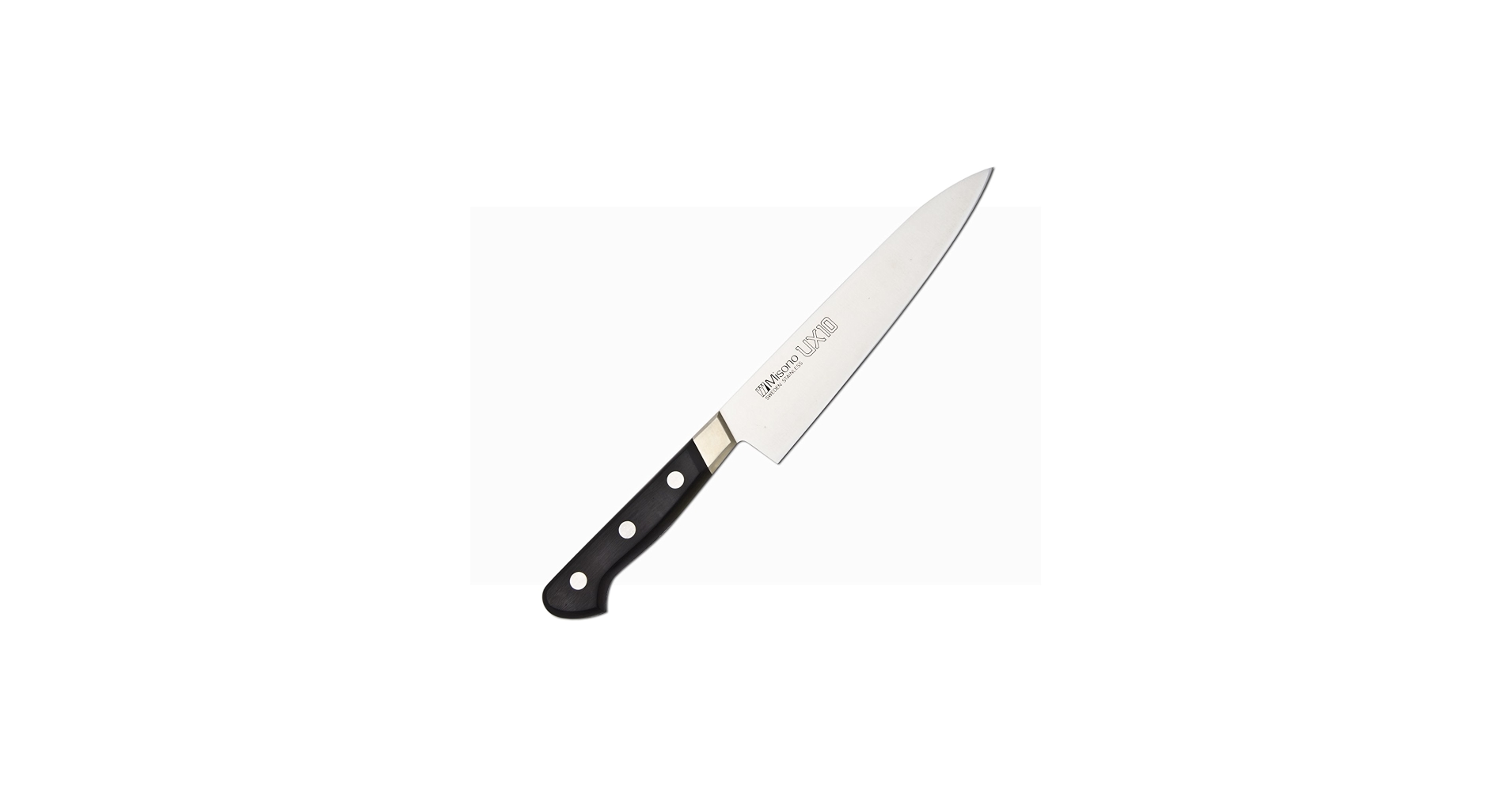
Misono (representing the modern-manufacturing comparison)
Misono, while not Sakai-forged, represents the modern-manufacturing alternative — no less impressive in its own right, but built on engineering consistency and refined geometry rather than traditional hand-craft division of labor.
Pros:
- Extremely consistent quality control
- Exceptional blade geometry through modern engineering
- Reliable performance without needing line-specific research
Cons:
- Lacks the historical and craft narrative of Sakai-forged options
- Plain aesthetics
- Premium pricing without the heritage story to go with it

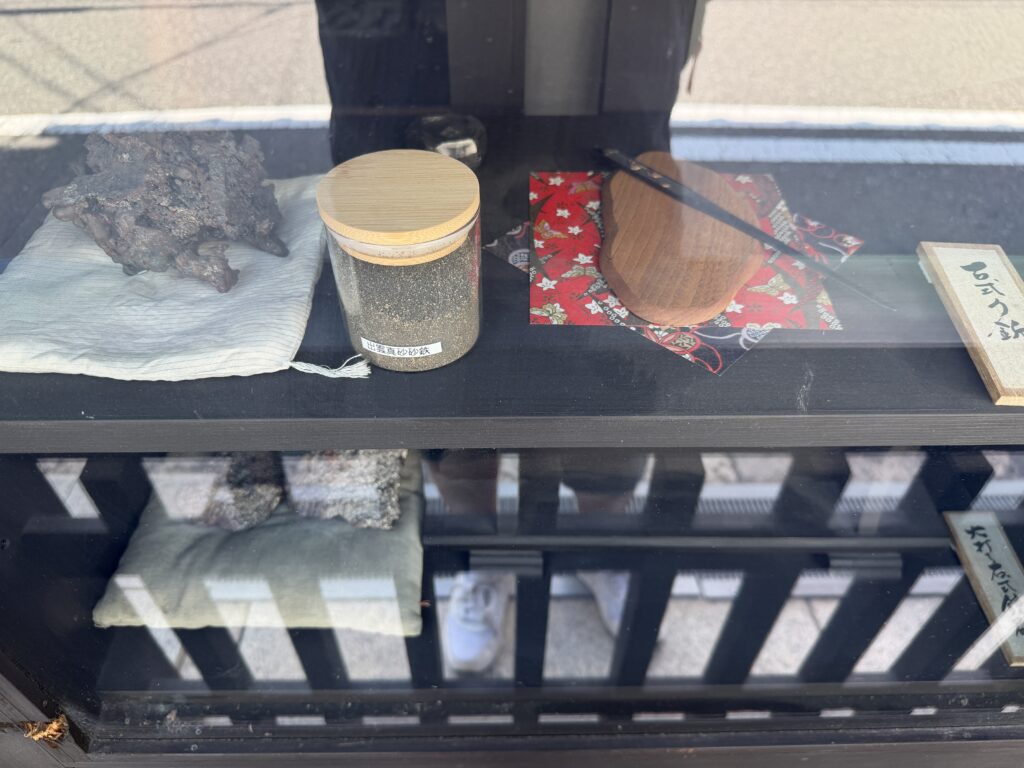
Raw materials used in traditional Japanese bladesmithing — tamahagane steel and iron sand — on display in Sakai, Japan.
Recommendation by use case
- You value the story and tradition behind your knife as much as performance: Sakai Takayuki.
- You want maximum consistency and don’t need a craft narrative: Misono or another modern-manufactured brand.
- You’re building a collection and want one knife from each tradition: Own both — they represent genuinely different philosophies worth experiencing.
- You’re gifting to someone who loves Japanese culture and history: Sakai Takayuki, specifically because of this heritage.
Conclusion
Sakai’s history isn’t just interesting background reading — it directly explains the specialized division of labor, the forging techniques, and the craft recognition that still shape genuine Sakai knives today. In my experience, understanding this context makes it much easier to evaluate whether a “Sakai” listing represents that real tradition or is simply borrowing a recognizable regional name.
Want to see it in a real product? Check current pricing on Sakai Takayuki knives using the links above, or read our full Sakai Takayuki review for a specific line breakdown.
コメント