Affiliate disclosure: This post contains affiliate links. If you buy through them, I earn a small commission at no extra cost to you. I only recommend knives I’d actually put in my own kitchen.
The problem: most knife guides assume a standard-sized hand and a big kitchen
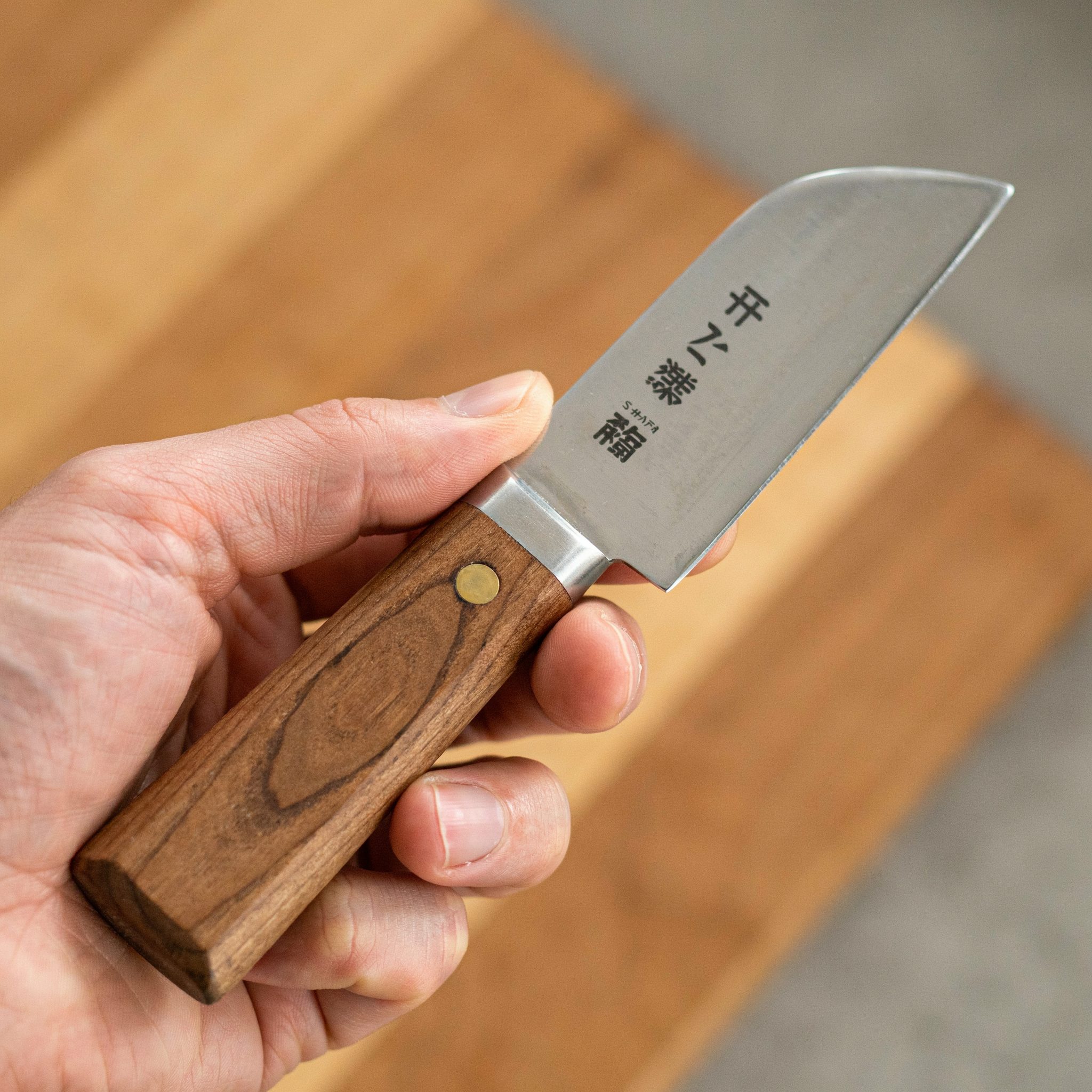
Walk into most Japanese knife buying guides and the default recommendation is a 210mm gyuto — a knife that’s genuinely a handful if you have smaller hands or you’re working on a compact kitchen counter with limited board space. Nobody tells you it’s completely fine, even better in many cases, to buy shorter and lighter instead.
In my experience, a lot of home cooks — particularly those with smaller hands or less kitchen space — end up fighting a knife that’s simply too big for them, then wrongly conclude they “don’t get on with” Japanese knives at all.
Who this article is NOT for
- Cooks who regularly prep large cuts of meat. A shorter santoku will feel limiting there; a gyuto is the better tool.
- Anyone who’s already happy with a longer blade. If a 210mm+ knife feels fine in your hand, there’s no reason to size down.
- Professional kitchens needing maximum versatility from one knife. This guide is specifically for home use in tighter spaces.
Selection criteria (3 points)
1. Blade length under 170mm. Standard santokus run 165-180mm, but for genuinely smaller hands or tighter counters, staying at the shorter end of that range — or slightly under — makes a real difference in control and comfort.
2. Lighter overall weight, without sacrificing steel quality. A lighter knife reduces wrist fatigue, but you don’t want to achieve that by compromising on the core steel. VG10 or comparable steel at a lighter overall build is the goal.
3. Handle circumference suited to a smaller grip. Many Japanese knife handles, especially traditional wa-handles, come in genuinely smaller diameters than typical Western knife handles, which matters more than blade length alone for hand comfort.
Comparison table
| Knife | Length | Weight | Price | Best For |
|---|---|---|---|---|
| Fujitora Santoku | 170mm (6.7″) | Light-moderate | $125.43 | Best value compact option |
| Misono UX10 Santoku (compact) | 160–165mm | Light | $190–315 | Premium compact choice |
| Shun Classic Blonde Santoku | 178mm (7″) | Light | $170.99 | Balance of value and refinement |
Individual reviews
Fujitora Santoku
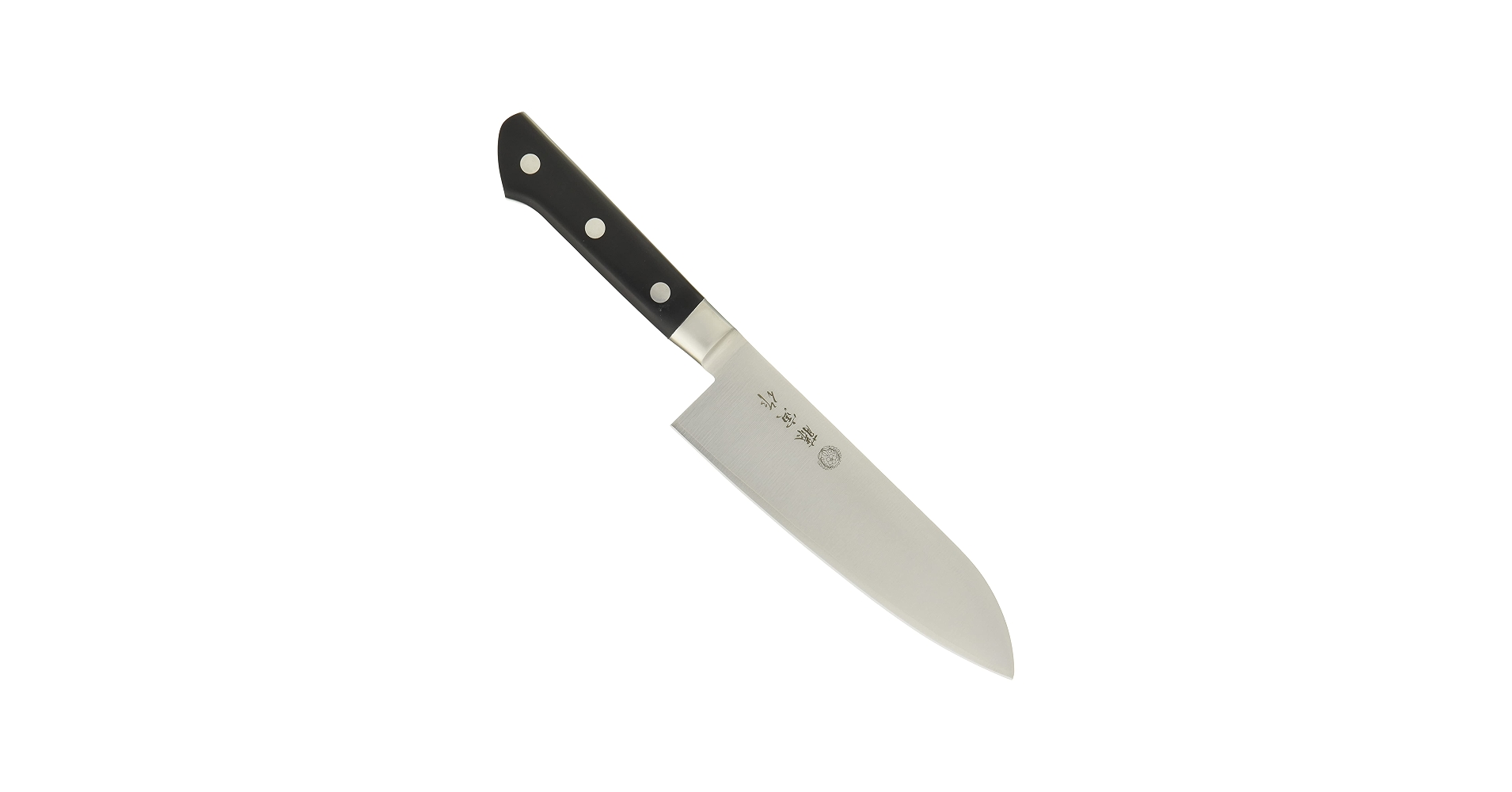
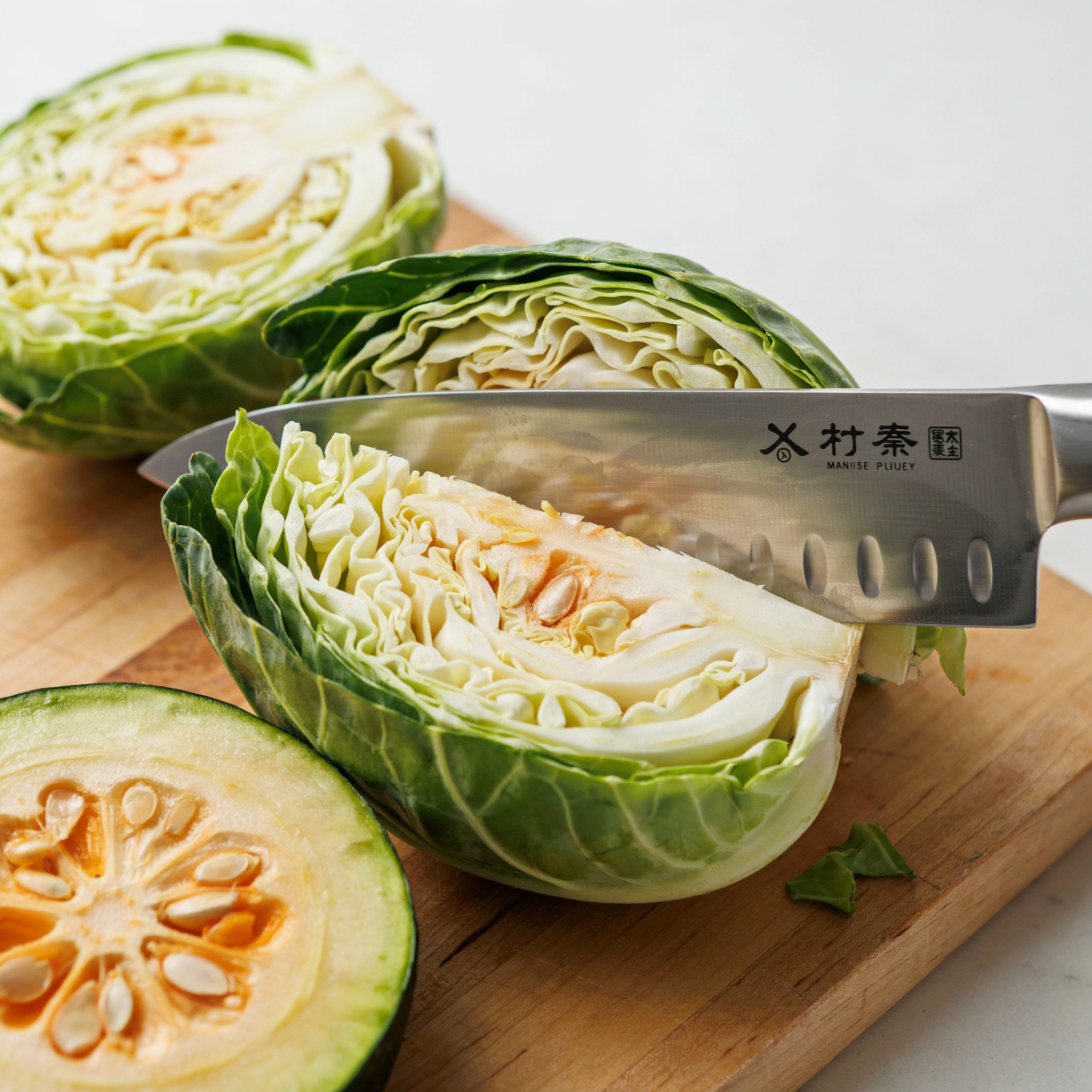
The Fujitora Santoku is a genuinely sensible starting point for smaller hands — its 170mm blade sits at the shorter end of the santoku range, and the construction keeps performance high despite the compact size and accessible price.
Pros:
- Compact, easy-to-control length
- Strong performance for the price point
- Sturdy despite the light overall weight
Cons:
- Plain aesthetic compared to premium alternatives
- Less brand recognition than the bigger names in this niche
- Basic handle, no ergonomic flourish

Misono UX10 Santoku (compact)
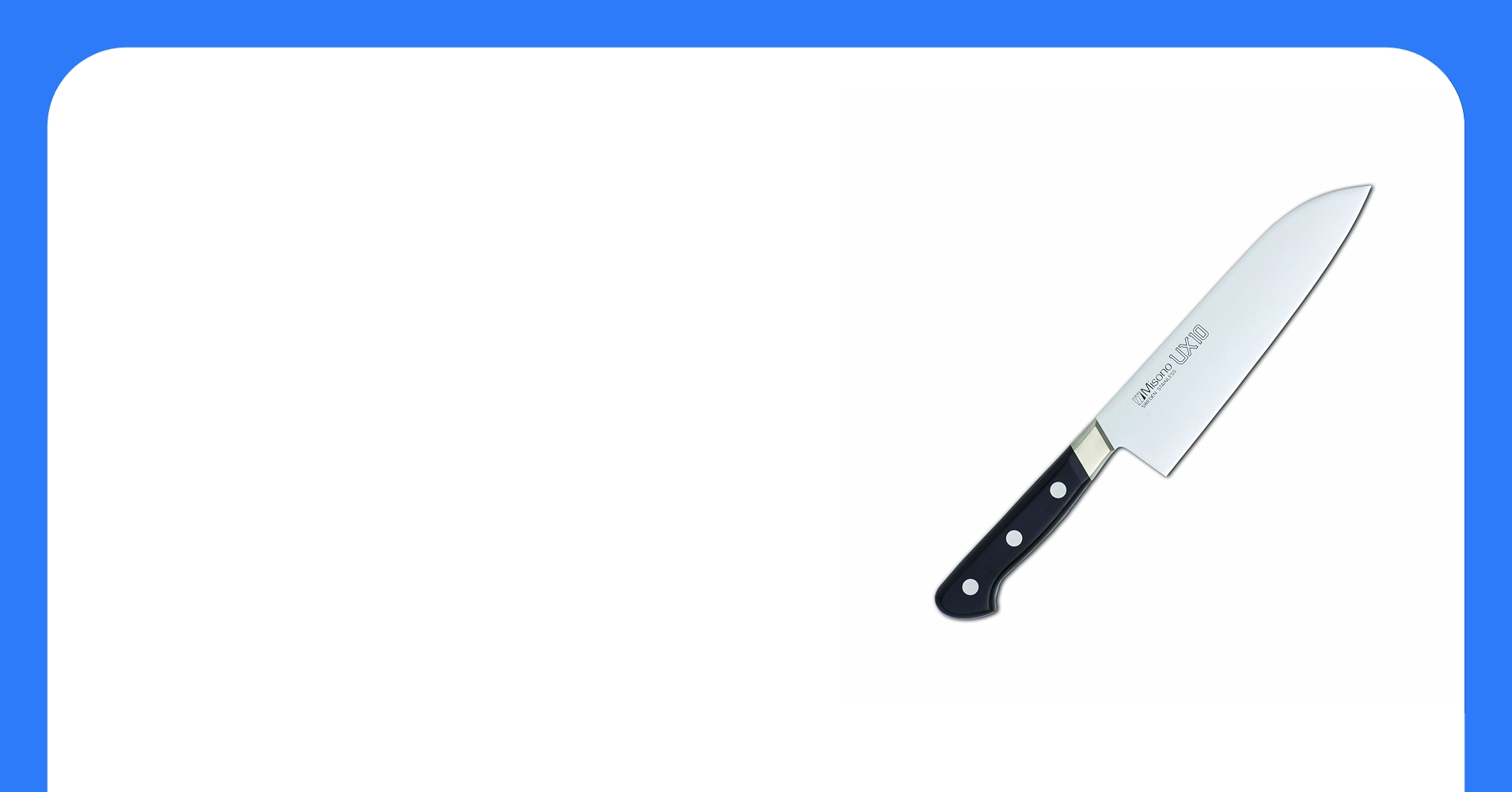
For a smaller hand wanting genuinely premium performance, the UX10’s compact santoku variant delivers the same exceptional thin-grind geometry as the standard size, just scaled down for easier control.
Pros:
- Outstanding blade geometry, minimal cutting resistance
- Compact size suits smaller hands and tighter kitchens
- Long-term “buy once” quality
Cons:
- Significant price jump over entry-level options
- Stainless handle can be slippery when wet
- Plain appearance, no decorative finish

Shun Classic Blonde Santoku
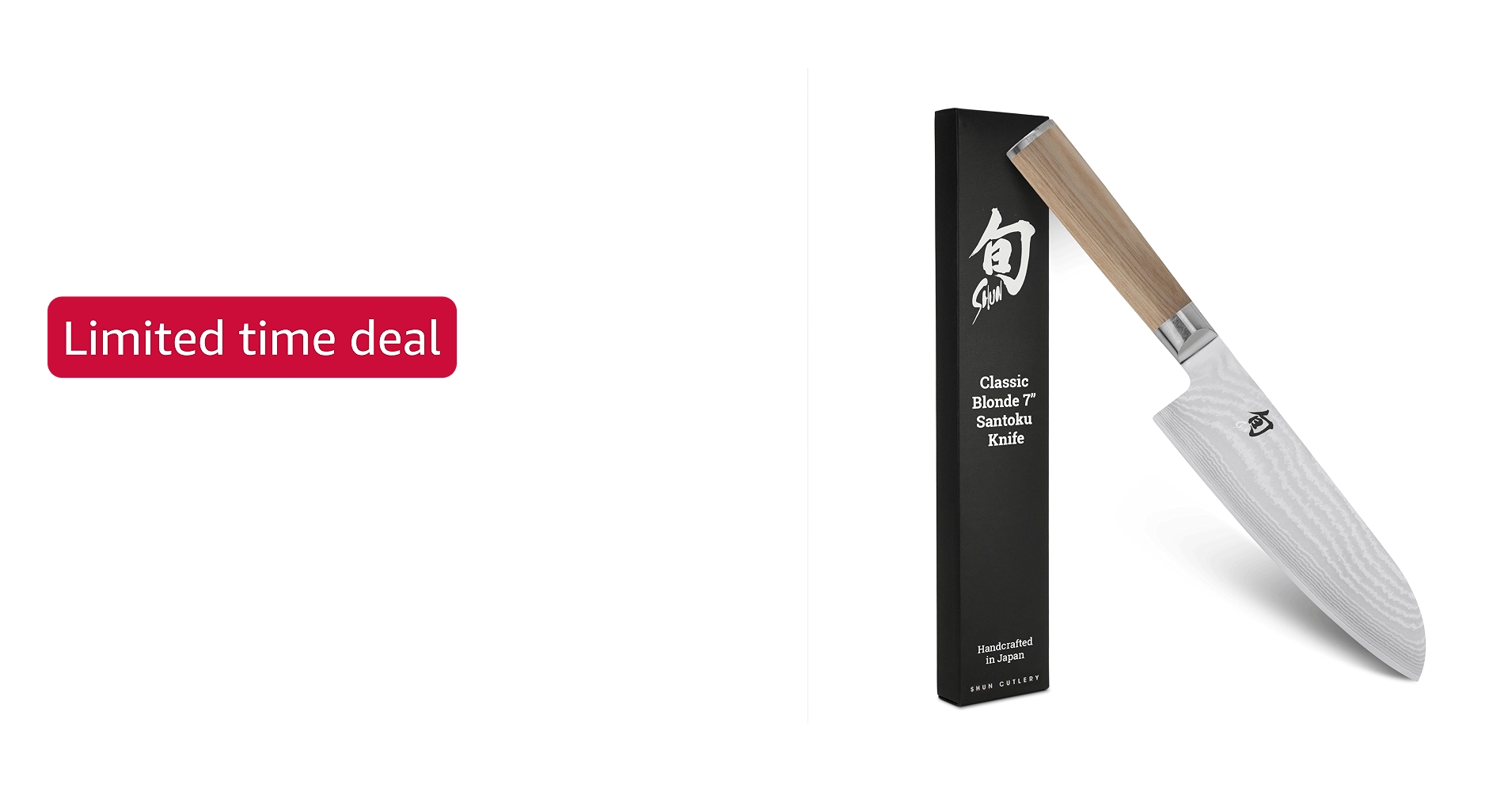
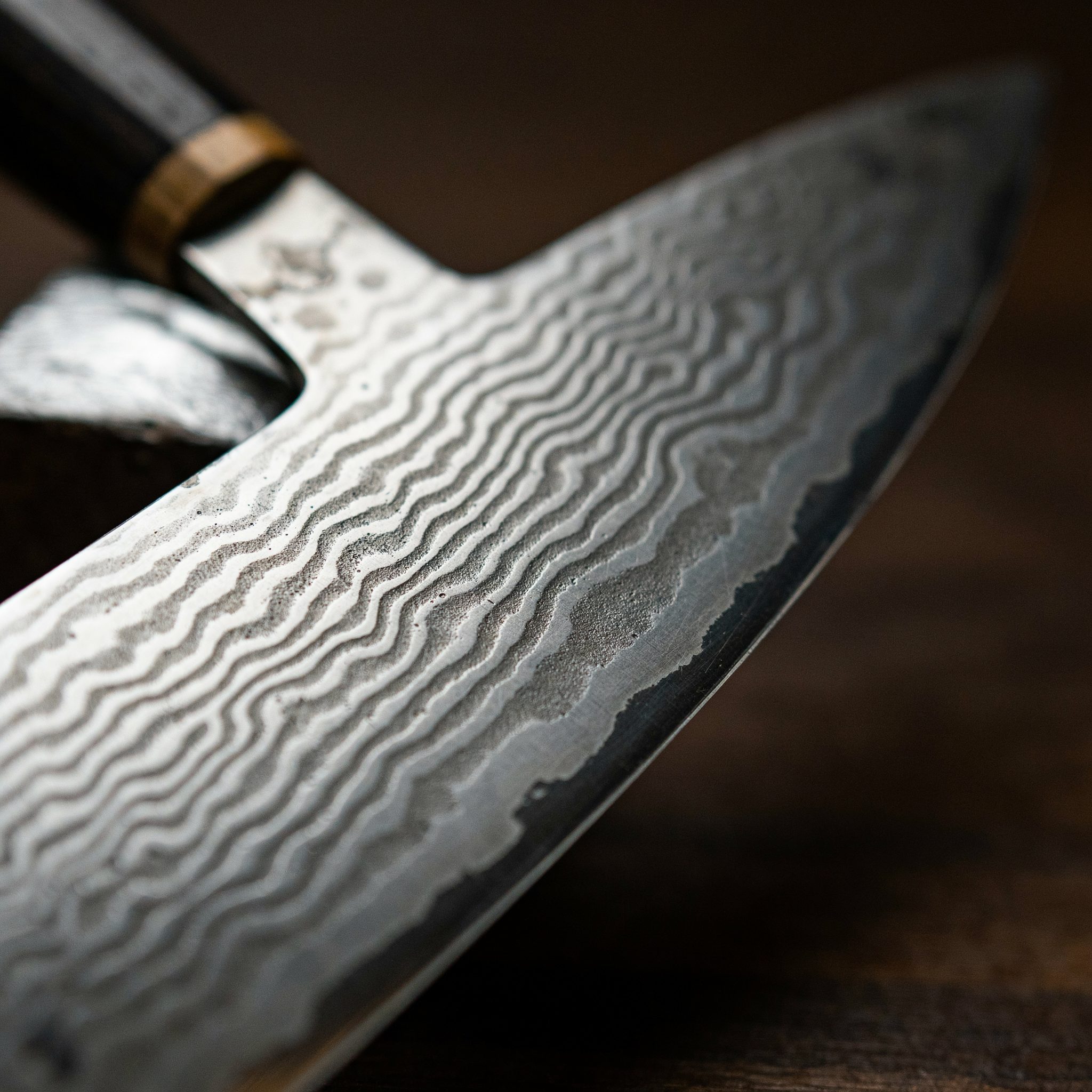
Sitting between the two above in both price and refinement, the Shun Classic Blonde santoku brings the brand’s well-regarded VG-MAX steel and Damascus cladding to a compact 7″ shape, with a lighter-toned Pakkawood handle that suits smaller grips well.
Pros:
- Sharper, more refined factory edge than budget alternatives
- Comfortable, ergonomic handle suited to smaller hands
- Distinctive Damascus look at a mid-range price point
Cons:
- Costs more than the Fujitora for a similar compact shape
- Not quite at the geometry level of the Misono UX10
- Still requires hand-washing and regular honing like any premium Japanese knife

Recommendation by use case
- Tightest budget, smaller hands: Fujitora Santoku.
- Want the best possible feel and performance, budget allows: Misono UX10 Santoku (compact).
- Want a middle ground between value and refinement, plus a striking look: Shun Classic Blonde Santoku.
- Small kitchen counter, limited board space, regardless of hand size: Any of the three — the shorter blade length helps regardless of grip size.
Conclusion
There’s no shame in sizing down. In my experience, the “bigger is more professional” assumption causes more discomfort than it solves for home cooks, especially those with smaller hands or compact kitchens. A well-chosen shorter santoku will get used daily; an oversized gyuto that feels unwieldy will end up back in the drawer.
Ready to choose? Compare current pricing on the Fujitora Santoku, Misono UX10 Santoku, and Shun Classic Blonde Santoku using the links above. Curious how a santoku compares to a gyuto more broadly? See our santoku vs gyuto guide.
コメント